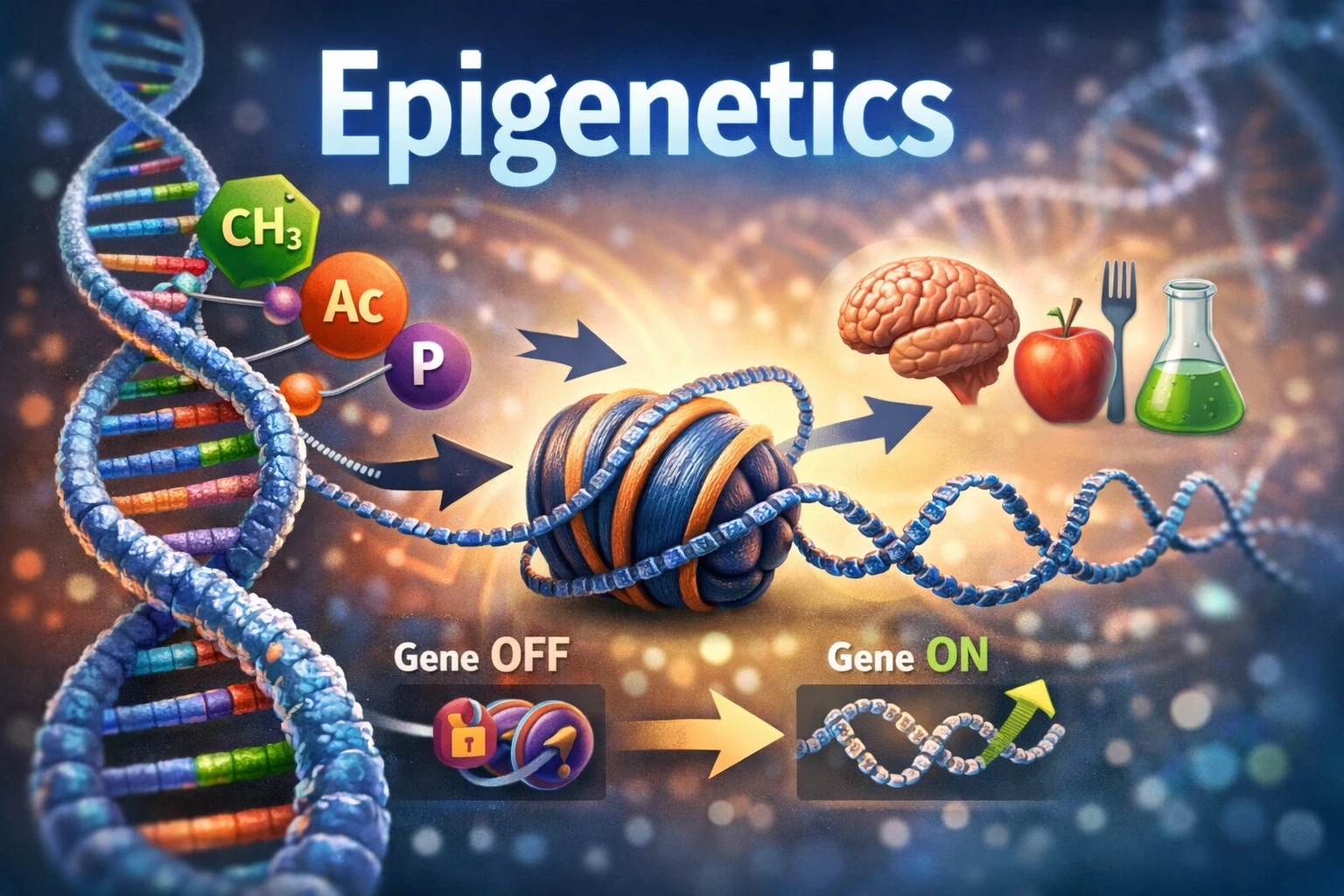
The global epigenetics market is witnessing significant expansion, fueled by rapid technological advancements, increasing research investments, and growing applications in disease diagnosis and drug development. According to recent industry analysis, the market is projected to grow from USD 2.24 billion in 2025 to USD 4.29 billion by 2030, registering a strong CAGR of 13.9% during the forecast period. This growth underscores the rising importance of epigenetic research in understanding gene expression and its impact on human health.
Epigenetics refers to the study of heritable changes in gene expression that do not involve alterations in the DNA sequence. It plays a crucial role in regulating various biological processes, including cell differentiation, development, and disease progression. Increasing awareness of epigenetic mechanisms, particularly in oncology and immunology, is driving demand for advanced tools and technologies in this space.
Download PDF Brochure @ https://www.marketsandmarkets.com/pdfdownloadNew.asp?id=896
One of the primary factors propelling the epigenetics market is the surge in research and development investments by both public and private organizations. Governments across the globe are actively supporting genomics and epigenomics research through funding initiatives and population-scale screening programs. Additionally, the declining cost and reduced turnaround time of sequencing technologies have made epigenetic studies more accessible, further accelerating market growth.
From a product and service perspective, the kits and reagents segment dominated the market in 2024 and is expected to maintain its leadership position throughout the forecast period. Within this segment, antibodies hold a particularly significant share. Antibodies are widely used in epigenetic research for detecting, identifying, and modifying proteins, making them indispensable tools in studying gene regulation. Their critical role in monitoring cellular processes and protein interactions has contributed to their widespread adoption, thereby boosting segment growth.
In terms of methodology, DNA methylation emerged as the largest segment in 2024. DNA methylation is a key epigenetic modification that plays a vital role in gene expression regulation and has been extensively studied in cancer research. Its strong relevance in oncology applications, including tumor detection and biomarker discovery, is driving its continued dominance. Furthermore, advancements in methylation analysis techniques are expected to enhance its adoption in clinical and research settings.
Technological innovations also play a pivotal role in shaping the epigenetics market. Techniques such as next-generation sequencing (NGS) and polymerase chain reaction (PCR) have revolutionized epigenetic analysis by offering high accuracy, scalability, and efficiency. These technologies enable researchers to study complex epigenetic modifications at a genome-wide level, facilitating breakthroughs in personalized medicine and targeted therapies.
Regionally, Asia Pacific is expected to register the fastest growth during the forecast period. This growth is attributed to the rapid expansion of healthcare infrastructure, increasing investments in biotechnology research, and the growing presence of global and local market players in countries such as China, India, and Japan. Strategic collaborations and partnerships among companies are also enhancing the region’s capabilities in advanced technologies like NGS, further driving market expansion.
The competitive landscape of the epigenetics market is characterized by the presence of several prominent players focused on innovation and strategic expansion. Key companies include Thermo Fisher Scientific Inc., Merck KGaA, Illumina, Inc., PacBio, Danaher, Active Motif, Inc., Bio-Rad Laboratories, Inc., Promega Corporation, Revvity, and QIAGEN. These organizations are actively investing in product development, partnerships, and acquisitions to strengthen their market position and expand their global footprint.
In conclusion, the epigenetics market is poised for robust growth, driven by technological advancements, increasing research focus, and expanding clinical applications. As the understanding of epigenetic mechanisms continues to evolve, the market is expected to play a critical role in shaping the future of precision medicine and disease management.