The concept of the traditional office has shifted dramatically over the last few years, leaving many leaders wondering how to maintain momentum in a decentralized environment. As remote and hybrid work models become the standard, the need for clear visibility into daily operations has never been more pressing. This shift has led to a significant rise in the adoption of productivity monitoring software across various industries. While some view these tools with a degree of skepticism, modern applications have moved far beyond simple surveillance. When implemented with a focus on transparency and growth, these digital solutions act as a powerful engine for organizational improvement and individual empowerment.
Understanding how your team spends its most valuable asset—time—is not about micromanagement or policing every minute spent away from a keyboard. Instead, it is about identifying the friction points that prevent high quality work from happening. By utilizing productivity monitoring software, businesses can gain an objective view of their workflows, allowing them to spot bottlenecks that were previously invisible. In this article, we will explore how these tools can be used to foster a culture of accountability, improve project accuracy, and ensure that every team member has the resources they need to thrive in a digital first world.
The Strategic Shift Toward Data Driven Management
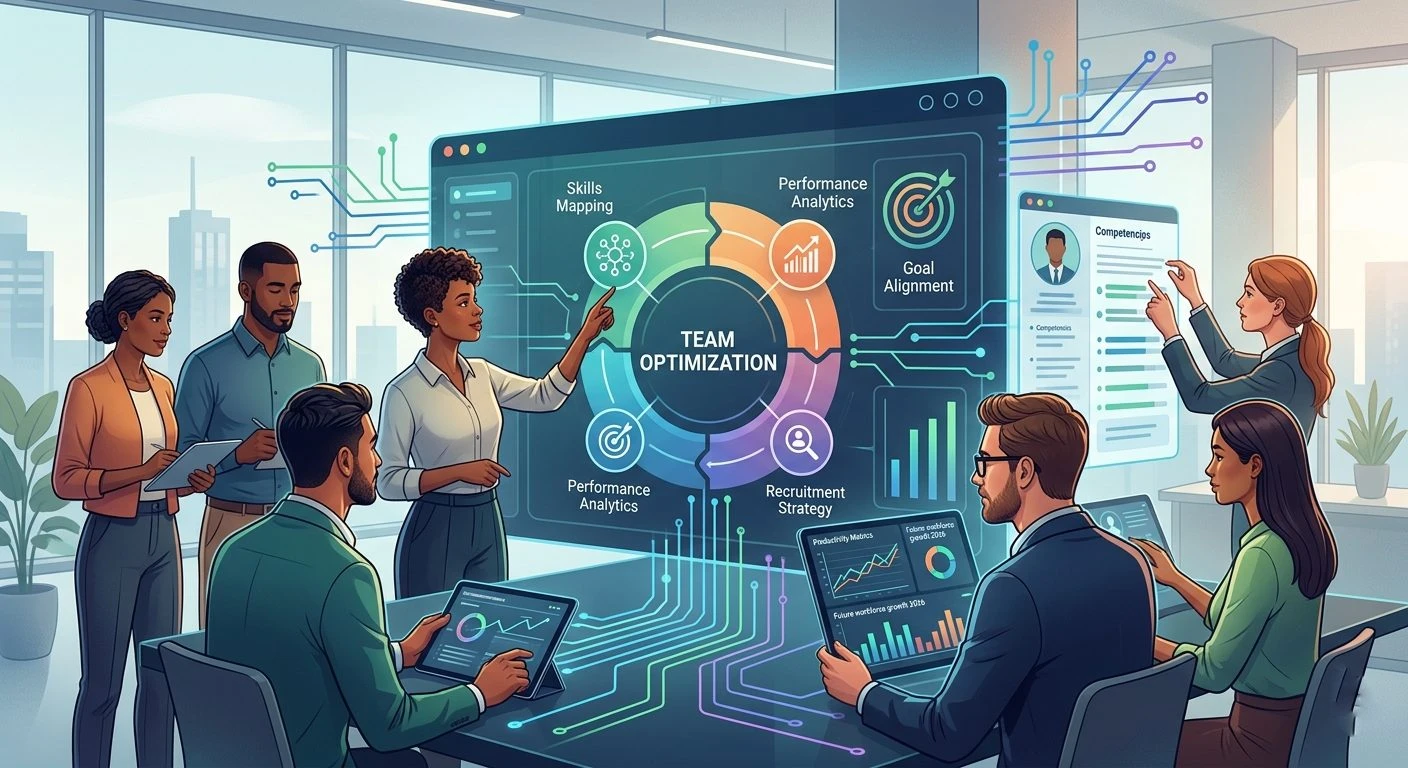
In a physical office, a manager might judge performance based on who arrives early or who looks busy at their desk. However, these visual cues are often misleading and are completely unavailable in a remote setting. Modern leadership requires a move toward meritocracy, where results and output carry more weight than mere presence. This is where productivity monitoring software provides a vital advantage by offering concrete data on task completion, software usage, and focused work sessions. It allows managers to recognize the "quiet winners"—those employees who consistently deliver excellent work without the need for constant self promotion.
Furthermore, these platforms offer deep insights into resource allocation. For example, if a marketing team is consistently spending thirty percent of their week on manual data entry, the software will highlight this inefficiency. Armed with this knowledge, a business owner can decide to invest in automation tools or hire administrative support, freeing up the creative team to focus on high value strategy. This level of operational clarity ensures that the company is not just working hard, but working on the right things. It turns vague "gut feelings" about performance into a science that can be measured and optimized for long term profitability.
Balancing Oversight with Employee Privacy and Trust
The most common hurdle when introducing a monitoring system is the fear of a "Big Brother" atmosphere. If employees feel like they are being watched in secret, morale will inevitably suffer, and the most talented staff members may look for opportunities elsewhere. To avoid this, successful implementation must be rooted in total transparency. Leaders should clearly communicate why they are introducing productivity monitoring software and exactly what data the system will collect. When the team understands that the goal is to improve project estimation and reduce burnout rather than to punish individuals, they are much more likely to support the initiative.
Privacy remains a cornerstone of ethical management. The most effective monitoring strategies focus on professional outcomes rather than personal habits. For instance, many companies choose to only enable tracking during official working hours or allow employees to manually toggle the software on and off for private breaks. By giving the team a level of control over the process, you reinforce the idea that the software is a tool for their professional development. This collaborative approach helps build a foundation of mutual trust where data serves as a shared language for success.
Enhancing Team Well-being and Preventing Burnout
One of the most overlooked benefits of digital tracking is its ability to protect employees from overwork. In a remote environment, the lines between personal life and professional responsibilities often blur, leading many dedicated workers to stay online far longer than they should. By reviewing trends in productivity monitoring software, managers can identify when an individual is consistently logging excessive hours or working late into the evening. This data provides a clear signal that it is time to intervene, redistribute the workload, and encourage the employee to disconnect.
This proactive approach to mental health and sustainability is crucial for retaining top talent. When a manager uses data to say, "I noticed you've been working ten hour days, let's see how we can lighten your load," it sends a powerful message of care. It shifts the perception of the software from a tool of pressure to a tool of protection. Ultimately, a healthy team is a productive team, and having the data to support that balance is a significant competitive advantage in today’s tight labor market.
Conclusion
Embracing productivity monitoring software is a significant step toward creating a more organized and accountable workplace. It provides the essential data needed to lead remote and hybrid teams effectively, ensuring that projects remain on schedule and that resources are used wisely. By prioritizing transparency and using insights to support employee well-being, you can transform your operations into a model of modern efficiency. The ultimate goal is to create an environment where performance is recognized, distractions are minimized, and every team member feels empowered to do their best work.
If you are ready to gain total visibility into your digital office and foster a culture of high performance, it is time to choose a partner that understands the needs of modern business. For an intuitive and human friendly approach to workforce management, discover the power of Staffviz. Start your journey toward a more productive and transparent future today.
Frequently Asked Questions
Is productivity monitoring software legal for remote workers?
In most jurisdictions, businesses have the legal right to monitor work performed on company time and equipment. However, transparency is key. You should always have a written policy in place and consult with local legal counsel to ensure your practices comply with specific privacy laws in your region.
How does monitoring software improve project billing?
By capturing exact time spent on specific client tasks, the software eliminates the guesswork involved in manual timesheets. This ensures that clients are billed accurately for the work performed, which increases trust and reduces disputes over invoices.
Will this software slow down my employees' computers?
Modern monitoring solutions are designed to be lightweight and run in the background with minimal impact on system performance. Most users will not even notice the software is active while they go about their daily tasks.
Can employees see their own productivity data?
Many top tier platforms provide a personal dashboard for each user. This allows employees to track their own progress, see where their time goes, and make personal adjustments to improve their focus without needing a manager to intervene.
What is the difference between monitoring and surveillance?
Monitoring is a transparent, data driven process aimed at improving business workflows and project outcomes. Surveillance often implies a secretive or intrusive level of observation that focuses on personal behavior rather than professional performance.
How do I choose the right software for a small team?
Look for a solution that offers clear reporting, ease of use, and integration with your existing project management tools. It is also important to choose a platform that scales with your business as your team grows.