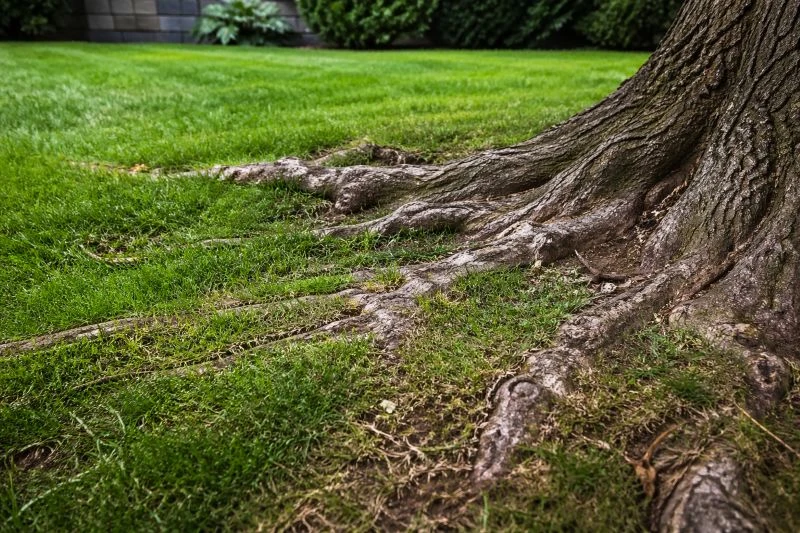
Tree roots are powerful, persistent, and essential to healthy trees—but they can quietly reshape a lawn in ways homeowners don’t expect. Raised soil, cracked turf, thinning grass, and uneven walking surfaces are all signs that roots are competing with your landscape rather than supporting it. Fortunately, lawn damage caused by tree roots can be repaired with the right strategy and professional guidance.
This guide explains why root damage happens, how to restore affected areas properly, and when working with a landscaping contractor in New Haven CT or a tree service in New Haven CT makes the biggest difference for long-term results.
Why Tree Roots Damage Lawns
Tree roots naturally grow toward moisture, oxygen, and nutrients—exactly what turfgrass needs. Over time, that competition leads to visible lawn problems.
Common signs include:
- Raised or uneven ground surfaces
- Bare soil patches around trees
- Thinning or yellowing grass
- Exposed roots breaking through turf
- Poor drainage near root zones
- Difficulty mowing safely
Surface roots often appear when soil becomes compacted or shallow. Instead of growing deeper, roots expand outward, pushing upward through the lawn.
Older trees, large shade trees, and species with shallow root systems are especially likely to create turf challenges.
The Risks of Ignoring Root-Related Lawn Damage
Uneven lawns are more than cosmetic concerns. They can create safety hazards and long-term landscaping issues.
Potential consequences include:
- Trip hazards for children and guests
- Lawn mower damage
- Water runoff and erosion
- Soil compaction worsening root exposure
- Declining grass health across larger areas
- Tree instability if roots are cut improperly
Repairing the damage early protects both the tree and the surrounding landscape investment.
Step-by-Step Guide to Repairing Lawn Damage from Tree Roots
Restoring a lawn affected by roots requires a careful balance between protecting the tree and improving turf conditions.
Step 1: Evaluate Root Exposure and Tree Health
Start by identifying how much of the root system is exposed and whether the tree is stressed.
Look for:
- Bark damage on exposed roots
- Mushy or decaying sections
- Fungal growth
- Leaning tree structure
- Sparse canopy leaves
If multiple large structural roots are visible, professional evaluation is strongly recommended before making adjustments.
A reliable tree service in New Haven CT can determine whether roots should remain untouched, redirected, or partially pruned safely.
Step 2: Relieve Soil Compaction Around the Tree
Compacted soil forces roots upward. Aerating the surrounding area encourages deeper root growth and improves turf conditions.
Effective methods include:
- Core aeration
- Vertical mulching
- Soil amendment with compost
- Controlled irrigation improvements
This step alone often slows additional root surfacing.
Step 3: Add a Layer of Topsoil Carefully
Adding soil over shallow roots helps create a smoother surface for grass restoration.
Important guidelines:
- Apply no more than 2 inches of soil at a time
- Use nutrient-rich topsoil
- Avoid burying the root flare at the base of the tree
- Spread evenly to prevent drainage issues
Too much soil too quickly can suffocate roots and harm the tree.
Experienced professionals use proven grading techniques that protect tree structure while improving lawn usability.
Step 4: Reseed or Install Shade-Tolerant Turf
Grass growing near tree roots often struggles due to reduced sunlight and moisture competition.
Better turf options include:
- Fine fescue blends
- Shade-tolerant bluegrass varieties
- Perennial ryegrass mixes
A well-experienced landscaping contractor in New Haven CT can recommend the best grass selection for local climate and soil conditions.
Step 5: Apply Mulch Where Grass Cannot Thrive
In areas with dense surface roots, mulch beds may be a smarter long-term solution than turf.
Benefits include:
- Moisture retention
- Reduced soil compaction
- Root protection
- Cleaner visual appearance
- Easier maintenance
Organic mulch rings also enhance tree health significantly.
Step 6: Adjust Irrigation Patterns
Tree roots often surface when seeking water. Improving irrigation coverage reduces stress-driven root movement.
Consider:
- Deep watering schedules
- Drip irrigation systems
- Seasonal watering adjustments
- Soil moisture monitoring
Balanced watering benefits both trees and turf simultaneously.
When Root Pruning Is Necessary
Some homeowners consider cutting exposed roots immediately—but this step requires professional judgment.
Improper root pruning can:
- Destabilize the tree
- Reduce nutrient uptake
- Increase disease risk
- Cause long-term structural damage
Certified specialists use strategic pruning methods that maintain stability while improving lawn conditions.
A trusted tree service in New Haven CT evaluates which roots can safely be trimmed and which must remain intact.
Real-World Example: Lawn Restoration in New Haven
A homeowner in the East Rock neighborhood struggled with raised roots from mature maple trees that made mowing nearly impossible and created unsafe walking conditions for guests.
Instead of removing the trees, Avalanche Tree and Landscaping LLC developed a restoration plan that included:
- Soil aeration across affected zones
- Gradual topsoil leveling
- Selective root-safe grading adjustments
- Installation of shade-tolerant turf blends
- Mulch ring expansion around trunk bases
Within one growing season, the lawn became level, green, and easier to maintain without compromising the health of the trees.
This results-driven approach preserved mature shade coverage while restoring outdoor usability.
Preventing Future Lawn Damage from Tree Roots
Once repairs are complete, prevention becomes the priority.
Best practices include:
Maintain Healthy Soil Structure
Healthy soil encourages roots to grow downward instead of outward.
Improve soil quality with:
- Compost amendments
- Seasonal aeration
- Organic fertilization programs
- Reduced foot traffic near trunks
These steps support long-term lawn stability.
Install Protective Tree Rings Early
Mulch rings reduce competition between turf and roots.
Advantages include:
- Better moisture control
- Reduced mower contact
- Lower weed pressure
- Improved root insulation
They also enhance landscape appearance immediately.
Choose the Right Grass for Tree Areas
Matching turf type to shade levels increases survival rates significantly.
High-performance shade blends reduce maintenance needs and improve durability under trees.
Schedule Routine Tree Inspections
Regular tree evaluations identify structural issues early before they affect lawn surfaces.
An affordable inspection from a top-rated landscaping contractor in New Haven CT helps protect both landscape investment and property safety.
When to Call a Professional Landscaping Contractor
Some root-related lawn problems are too complex for DIY repair.
Professional help is recommended when:
- Large roots dominate lawn surfaces
- Trees are mature or historic
- Drainage issues appear
- Lawn grading changes are required
- Safety hazards exist
- Turf continues failing after reseeding
Industry-leading equipment and proven restoration techniques allow professionals to repair lawns while protecting valuable trees.
Avalanche Tree and Landscaping LLC provides reliable solutions tailored to New Haven properties with mature trees and challenging root systems.
Why Local Expertise Matters in Tree Root Lawn Repair
New Haven landscapes present unique conditions including compact urban soil, seasonal freeze cycles, and older tree populations.
Local specialists understand:
- Regional soil composition
- Tree species behavior
- Climate-driven turf challenges
- Drainage patterns common to Connecticut neighborhoods
Working with a well-experienced landscaping contractor in New Haven CT ensures restoration plans are designed specifically for the area—not generic solutions that may fail over time.
Frequently Asked Questions
Can I cover exposed tree roots with soil?
Yes, but only in thin layers. Adding too much soil too quickly can suffocate roots and weaken the tree.
Will cutting exposed roots harm my tree?
Possibly. Structural roots support stability. A professional tree service in New Haven CT should evaluate before removal.
What grass grows best over tree roots?
Fine fescue and shade-tolerant blends perform best in low-light root zones.
Is mulch better than grass near large trees?
Often yes. Mulch protects roots, reduces maintenance, and improves soil moisture retention.
How long does lawn recovery usually take?
Most repairs show improvement within one growing season when soil preparation and turf selection are done correctly.
Conclusion
Tree roots naturally support healthy landscapes, but they can create uneven surfaces and struggling turf when conditions force them upward. Repairing lawn damage requires a careful balance between protecting tree structure and restoring grass health.
With proper soil preparation, selective grading, shade-tolerant turf installation, and expert evaluation when necessary, homeowners can restore both beauty and safety to their outdoor spaces.
Avalanche Tree and Landscaping LLC delivers reliable, results-driven solutions tailored to mature trees and complex lawn environments throughout New Haven.