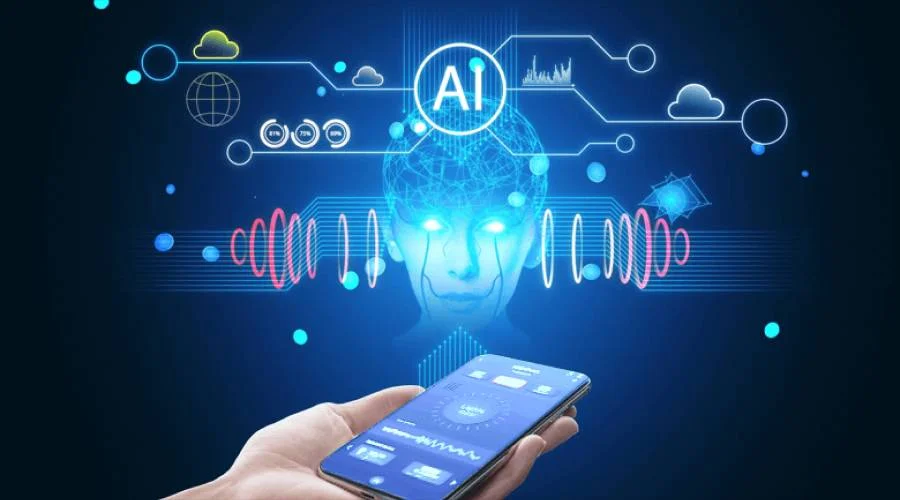
The world of technology is evolving faster than ever, and businesses are constantly seeking smarter ways to meet growing user expectations. Mobile applications have become the backbone of digital interaction, connecting consumers and brands through personalized and seamless experiences. However, as the demand for more intelligent, efficient, and dynamic apps rises, developers are turning to Artificial Intelligence (AI) and automation to reshape the way mobile applications are created, tested, and maintained.
This transformation is not just about improving speed or reducing errors it’s about creating apps that think, adapt, and evolve alongside users. AI and automation are no longer optional tools; they’re redefining the entire mobile app development lifecycle.
The New Era of Intelligent Development
AI and automation are revolutionizing industries across the board, and mobile app development is no exception. Traditionally, creating an app required extensive manual coding, testing, and optimization. Developers had to spend countless hours perfecting UI/UX elements, debugging issues, and analyzing user data.
Today, automation tools powered by AI algorithms can perform many of these repetitive and time-consuming tasks with remarkable accuracy. From predictive analytics to automated testing and code generation, AI is reducing human effort while increasing precision. This shift allows developers to focus on creativity, strategy, and user experience the aspects that truly drive innovation.
How AI Is Transforming App Development
Artificial Intelligence has introduced an entirely new layer of intelligence to the development process. By leveraging AI models and machine learning algorithms, developers can create apps that not only perform tasks but also learn from user behavior. These apps can analyze preferences, predict needs, and deliver highly personalized experiences.
Voice recognition, image processing, chatbots, and recommendation engines are just a few examples of how AI is enhancing app functionality. Businesses are using AI to build smarter solutions that adapt in real time, offering users more relevant and engaging interactions.
Moreover, AI’s role extends beyond functionality. It is improving the efficiency of backend operations through automated bug detection, performance monitoring, and predictive maintenance. These advancements reduce downtime, enhance reliability, and ensure that users enjoy seamless experiences.
The Role of Automation in Modern Development
Automation complements AI by speeding up the repetitive and structured parts of app creation. Continuous Integration and Continuous Deployment (CI/CD) pipelines have become standard practice, allowing developers to push updates, fix bugs, and roll out new features faster than ever.
For example, automated testing tools can simulate thousands of user interactions to ensure quality across devices and platforms. This minimizes human error and accelerates release cycles. As a result, businesses can deliver better products with shorter turnaround times.
Automation also helps streamline workflows between design, development, and deployment, reducing bottlenecks and improving team productivity. In an increasingly competitive market, this kind of efficiency gives companies a significant edge.
It’s no surprise that the integration of AI and automation is reshaping the Mobile App development landscape entirely, allowing businesses to innovate faster while maintaining higher quality standards.
Enhancing User Experience with AI
User experience (UX) is at the heart of every successful app. AI takes UX design to the next level by personalizing interactions based on user preferences, location, and behavior. Machine learning algorithms can analyze vast amounts of data to understand what users want, enabling apps to offer tailored recommendations, intuitive navigation, and predictive actions.
Chatbots and virtual assistants powered by AI are another major innovation in UX. They provide 24/7 customer support, answer queries instantly, and guide users through processes, all while reducing the need for manual intervention. Natural Language Processing (NLP) makes these interactions more human-like, improving engagement and satisfaction.
Businesses seeking to integrate AI features into their products often collaborate with industry experts like best mobile app development company partners. These companies bring specialized knowledge, advanced tools, and experience to ensure seamless implementation. They can help align AI strategies with business goals, ensuring that automation and intelligence translate into measurable value.
Predictive Analytics and Smarter Decision-Making
AI’s power lies in data and predictive analytics is one of its most impactful applications. By analyzing user data, AI can forecast future behavior, helping businesses make proactive decisions. For example, an e-commerce app can predict when a user might make their next purchase or which product categories they are likely to explore.
Developers can use this data to create targeted marketing campaigns, optimize push notifications, and personalize app interfaces. Predictive insights also help businesses anticipate technical issues before they occur, enabling proactive maintenance and ensuring smoother performance.
This level of foresight was once impossible with manual analysis. Today, AI-driven analytics is empowering developers and business leaders alike to act strategically rather than reactively.
Reducing Development Costs and Time
One of the biggest advantages of combining AI and automation is cost efficiency. Traditional app development requires large teams and extensive testing phases, which can significantly drive up costs. Automation reduces the need for manual testing and repetitive coding tasks, while AI speeds up problem detection and optimization.
These technologies also improve scalability. Apps can now be developed, tested, and deployed faster, allowing businesses to bring products to market sooner. By minimizing development time, companies can allocate resources to innovation, marketing, and customer engagement instead of routine maintenance.
For startups and enterprises alike, this means better ROI and long-term sustainability.
Overcoming Challenges in AI-Driven Development
Despite its promise, AI integration presents unique challenges. Data privacy and security remain top concerns. Since AI relies heavily on user data for learning, developers must implement strict security protocols and comply with regulations like GDPR.
There’s also the issue of model transparency understanding how AI makes decisions. Ensuring fairness and accountability in algorithms is essential to maintain user trust.
Furthermore, not every app requires complex AI features. Businesses must carefully evaluate their objectives before investing in advanced automation. The key lies in finding a balance between innovation and practicality.
The Future of Mobile App Development
The future of mobile app development will be defined by intelligent automation and AI-powered creativity. Developers will increasingly rely on machine learning models to predict user behavior, auto-generate code, and even design interfaces based on usage data.
Voice commands, augmented reality, and contextual awareness will continue to evolve, enabling apps to anticipate needs before users express them. This predictive, adaptive approach will transform how people interact with technology.
AI will also help democratize development, empowering non-technical users to create functional apps through no-code or low-code platforms. This shift will open new opportunities for innovation across industries.
Conclusion
AI and automation have already begun reshaping the mobile app industry, and their influence will only continue to grow. By streamlining workflows, enhancing user experiences, and improving efficiency, these technologies are setting new benchmarks for what’s possible in app development.