Global Drone Market Size and Forecast 2026–2034
The global drone market is entering a high-growth phase, fueled by expanding applications across defense, agriculture, logistics, construction, entertainment, and public safety. According to Renub Research, the worldwide drone market is projected to grow from US$ 33.82 billion in 2025 to US$ 80.8 billion by 2034, registering a CAGR of 10.16% from 2026 to 2034.
The rapid pace of technological advancement, combined with declining hardware prices and improved battery efficiency, is making drones more accessible and versatile than ever before. As industries prioritize automation, real-time data collection, and operational efficiency, drones are transitioning from niche tools to mainstream operational assets.
Download Free Sample Report:https://www.renub.com/request-sample-page.php?gturl=drone-market-p.php
Worldwide Drone Market Outlook
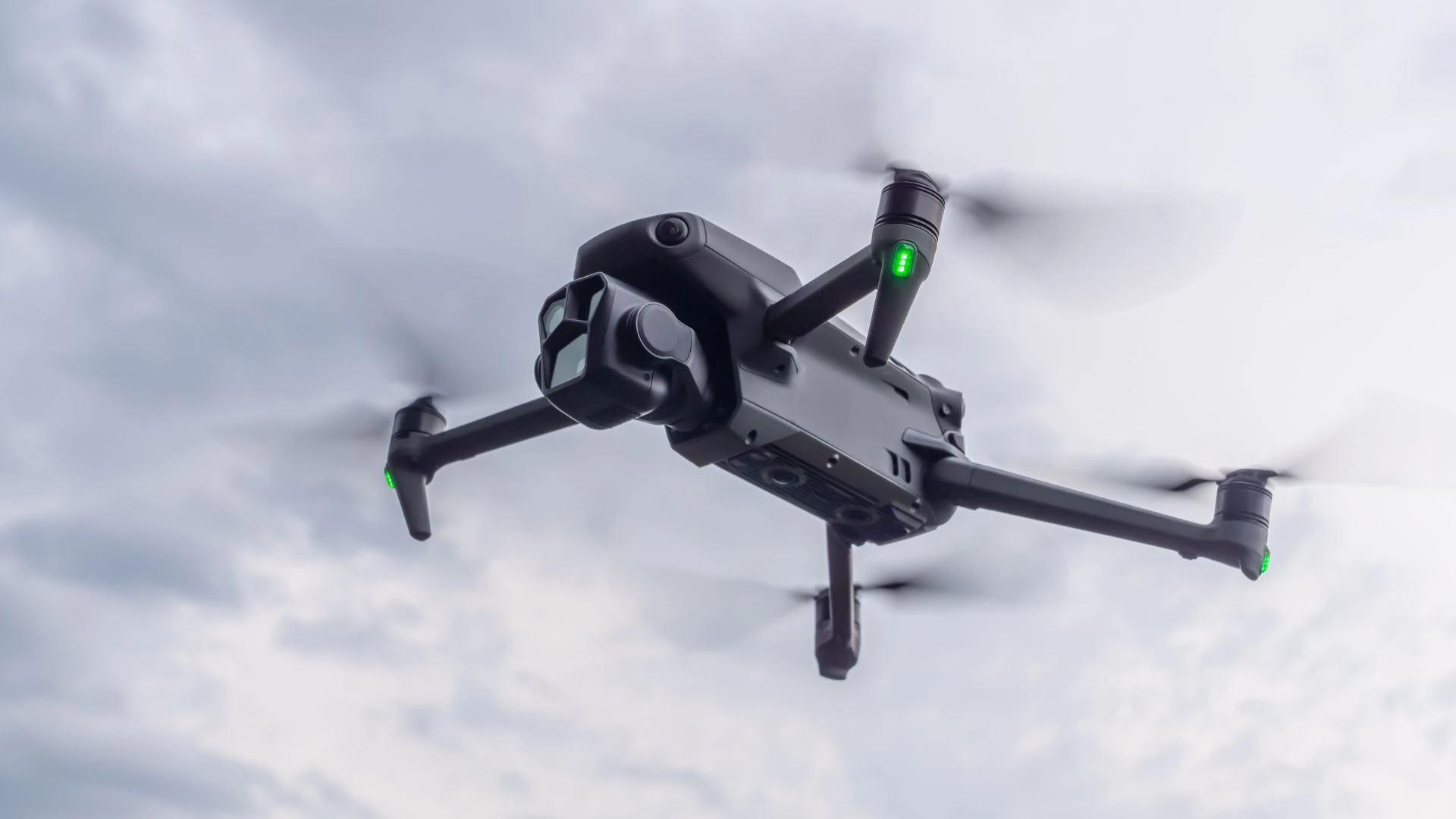
A drone, also known as an unmanned aerial vehicle (UAV), is an aircraft that operates without a human pilot onboard. It can be remotely controlled or fly autonomously using onboard software, GPS systems, sensors, and communication technologies.
Modern drones are equipped with:
-
High-resolution cameras
-
Thermal and multispectral sensors
-
AI-powered object detection systems
-
GPS and navigation modules
-
Real-time communication links
Drones vary significantly in size and functionality—from compact consumer photography drones to heavy-duty military and industrial systems.
Their global popularity stems from versatility, cost-effectiveness, improved safety, and the ability to access difficult or hazardous environments. Organizations use drones to reduce operational risk, improve data accuracy, and enhance productivity across sectors.
Key Growth Drivers
Expanding Commercial and Industrial Applications
The rapid expansion of commercial use cases is one of the strongest drivers of the global drone market.
Agriculture:
Farmers are increasingly adopting drones for crop monitoring, precision spraying, soil analysis, and yield estimation. Agricultural drones enhance productivity while reducing water, fertilizer, and pesticide usage.
Construction and Infrastructure:
Drones are widely used for site inspections, land surveying, 3D mapping, and construction progress monitoring. They improve safety by minimizing manual inspection in risky areas.
Energy and Utilities:
Drones inspect power lines, wind turbines, pipelines, and solar farms, reducing downtime and improving predictive maintenance.
Logistics and Delivery:
Drone-based delivery systems are gaining momentum, particularly in urban and remote areas, offering faster and contactless transportation solutions.
As industries seek high-resolution data collection at lower costs, demand for commercial drones continues to rise globally.
Technological Advancements and AI Integration
Technological progress is transforming drone capabilities. Improvements in:
-
Battery life
-
Lightweight materials
-
Sensor accuracy
-
Imaging quality
-
Autonomous navigation
have significantly enhanced performance and reliability.
The integration of artificial intelligence (AI) and machine learning has enabled drones to:
-
Fly autonomously
-
Detect and avoid obstacles
-
Identify objects and anomalies
-
Analyze data in real time
Advanced fleet management software and cloud-based analytics further enhance operational efficiency. As drones become smarter and easier to operate, adoption rates across both enterprise and consumer markets continue to increase.
Rising Defense and Public Safety Investments
Defense remains a core pillar of drone market growth. Governments worldwide are investing heavily in unmanned systems for:
-
Surveillance and reconnaissance
-
Border security
-
Tactical operations
-
Intelligence gathering
Drones provide strategic advantages by reducing risks to personnel and enabling real-time battlefield awareness.
Public safety agencies also rely on drones for:
-
Disaster response
-
Search and rescue operations
-
Traffic monitoring
-
Crowd management
The ability to access hazardous or inaccessible areas makes drones invaluable tools in emergency situations. Rising geopolitical tensions and homeland security priorities continue to drive sustained defense-sector demand.
Challenges in the Global Drone Market
Regulatory Restrictions and Airspace Management
Regulation remains one of the most complex challenges for the drone industry. Different countries enforce varying rules regarding:
-
Flight altitude limits
-
Beyond visual line-of-sight (BVLOS) operations
-
Urban airspace usage
-
Data privacy compliance
Obtaining permits and approvals can be time-consuming and costly, especially for commercial operators. Air traffic management integration remains a critical hurdle as drone traffic increases.
Governments are gradually modernizing frameworks, but regulatory uncertainty can slow market expansion.
Limited Battery Life and Operational Constraints
Despite advancements, limited battery capacity continues to restrict flight duration and payload capacity. Many drones require frequent recharging, limiting their use in:
-
Long-distance delivery
-
Large-area surveying
-
Continuous monitoring
Weather conditions such as strong winds and heavy rain also affect drone stability and performance. Balancing payload weight with energy efficiency remains a technical challenge.
Segment Analysis
Global Energy Drone Market
The energy sector is one of the fastest-growing application areas. Drones are used for inspecting:
-
Power transmission lines
-
Wind turbines
-
Solar farms
-
Pipelines
-
Offshore platforms
They enable real-time monitoring, thermal imaging, and early fault detection, reducing maintenance costs and improving safety.
The global transition toward renewable energy is further accelerating demand, as wind and solar installations require regular inspection and monitoring.
Global Entertainment Drone Market
Entertainment drones are widely used in aerial photography, film production, live broadcasting, and drone light shows. Drones provide cinematic perspectives that were previously expensive or technically challenging.
Drone light shows are increasingly replacing fireworks at major events due to their environmental friendliness and reusability. Consumer drones also drive demand in the content creation economy.
Global Law Enforcement Drone Market
Law enforcement agencies worldwide are integrating drones into daily operations. Applications include:
-
Crime scene analysis
-
Crowd control
-
Border surveillance
-
Emergency response
Advanced capabilities such as thermal imaging and night vision enhance operational effectiveness. Governments are increasing investment in drone technology to strengthen public safety infrastructure.
Global Fixed-Wing Drone Market
Fixed-wing drones are designed for long-endurance missions and large-area coverage. They are primarily used in:
-
Environmental monitoring
-
Agricultural land surveys
-
Border patrol
-
Military reconnaissance
Their aerodynamic structure enables longer flight durations and higher speeds compared to rotary-wing drones, making them ideal for mapping and data collection missions.
Global Rotary-Wing Drone Market
Rotary-wing drones dominate the commercial and consumer segments. Their vertical takeoff and landing (VTOL) capability allows them to operate in confined urban spaces.
They are widely used for:
-
Construction site monitoring
-
Media production
-
Infrastructure inspection
-
Law enforcement
Ongoing improvements in stabilization, battery efficiency, and payload capacity are enhancing versatility.
Regional Insights
United States
The United States represents one of the most advanced drone markets globally. Adoption spans defense, agriculture, logistics, infrastructure inspection, and entertainment.
Defense spending and innovation ecosystems contribute significantly to growth. Commercial enterprises increasingly deploy drones for automation and precision analytics.
Regulatory frameworks are evolving to support broader commercial deployment, positioning the U.S. as a leading innovation hub.
United Kingdom
The UK drone market is expanding steadily across infrastructure, transportation, agriculture, and media sectors. Public agencies use drones for emergency response and environmental monitoring.
With a focus on safety and responsible deployment, regulatory modernization continues to shape adoption. Digital transformation initiatives support sustained market expansion.
India
India is one of the fastest-growing drone markets globally. Government initiatives promoting domestic manufacturing and favorable regulations are accelerating adoption.
Drones are widely used in agriculture, land surveying, infrastructure development, mining, and defense applications. The country’s growing startup ecosystem is driving innovation and cost-effective production.
As digital transformation deepens, India’s drone market is expected to experience rapid growth.
Saudi Arabia
Saudi Arabia’s drone market is expanding through investments in smart cities, energy infrastructure, and defense modernization. Oil and gas inspection remains a key application area.
Logistics and parcel delivery trials highlight emerging commercial opportunities. As regulatory frameworks mature, adoption across industrial and public sectors is expected to accelerate.
Market Segmentation
By Application
-
Construction
-
Agriculture
-
Energy
-
Entertainment
-
Law Enforcement
-
Other Applications
By Type
-
Fixed-Wing Drones
-
Rotary-Wing Drones
By Region
-
North America
-
Europe
-
Asia Pacific
-
Latin America
-
Middle East & Africa
Competitive Landscape
Key players are analyzed across overviews, key persons, recent developments, SWOT analysis, and revenue performance.
Major companies operating in the global drone market include:
-
AeroVironment Inc.
-
Delair SAS
-
Intel Corporation
-
Boeing Company
-
Parrot Drones S.A.S.
-
AgEagle Aerial Systems Inc
-
Teledyne FLIR LLC
These companies focus on technological innovation, AI integration, and strategic partnerships to strengthen market presence.
Final Thoughts
The global drone market is on a transformative growth path, projected to reach US$ 80.8 billion by 2034, growing at a CAGR of 10.16%. Rapid technological advancements, falling hardware costs, expanding defense investments, and rising commercial adoption are reshaping the industry landscape.
While regulatory complexities and battery limitations remain challenges, continuous innovation in AI, sensors, and autonomous systems is unlocking new possibilities.
As automation, real-time analytics, and digital transformation accelerate worldwide, drones are set to become indispensable tools across industries—marking one of the most dynamic technology markets of the coming decade.