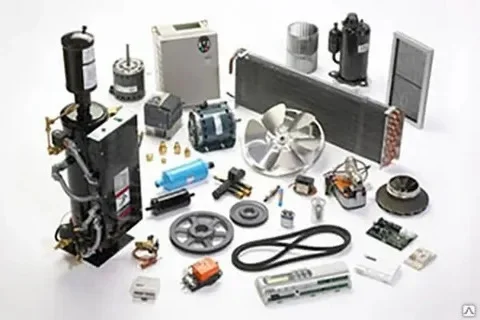
When a system goes down, finding the correct hvac parts quickly and confidently separates a one-day repair from a multi-day outage. HVAC parts are more than interchangeable metal and plastic — they carry electrical specs, mechanical fitments, and sometimes firmware that must match the host equipment. This guide walks technicians, facility managers, and savvy DIYers through identifying the right parts, understanding OEM vs aftermarket tradeoffs, building smart inventory practices, and performing basic checks that reduce repeat failures.
Start with a diagnosis, not a shopping list
A rushed parts order usually means a return trip. Before you search for HVAC parts, take basic diagnostic steps: read error codes on the control board, capture model and serial numbers from the unit nameplate, and photograph the failed component and its electrical connectors. Measure voltages and current draw where safe to do so, and note the exact symptom under load — for example, whether the condenser fan hums but won’t start, or whether the blower motor runs intermittently. Clear diagnosis narrows the required HVAC parts from a dozen possibilities to one or two correct candidates.
The critical identifiers every parts counter will ask for
When you contact a supplier or visit a local counter, having precise identifiers saves time. Vendors will want the equipment manufacturer, model number, serial number, and any stamped part number on the failed component. For electrical parts, record voltage, phase, and microfarad (µF) ratings for capacitors; for motors, note shaft size, mounting flange, rotation direction, and service factor; for compressors, provide model codes and refrigerant type. Good suppliers can cross-reference older part numbers to current equivalents — but they cannot do that without accurate information, so take photos and notes before you leave the job.
OEM vs. aftermarket vs. remanufactured — choosing the right category
Deciding whether to buy OEM HVAC parts, aftermarket equivalents, or remanufactured components is a pragmatic trade-off:
-
OEM parts match factory specifications and preserve warranty relationships; they’re typically the safest choice for recent installations or control modules with proprietary firmware.
-
Quality aftermarket parts are cost-effective for common wear items like contactors, capacitors, belts, and filters; many reputable suppliers stock these and stand behind interchangeability.
-
Remanufactured compressors and motors offer significant savings and can be excellent when original parts are obsolete or lead times are long, but confirm the remanufacturer’s rebuild process and warranty.
Select the class of part based on criticality: for mission-critical units, favor OEM; for routine consumables, the aftermarket often makes sense.
Local suppliers vs. online ordering — when speed beats price
Searching “hvac parts” locally often buys you expertise and speed. Local parts houses can test suspect components (capacitors or motors) on the counter, offer same-day pickup, and advise on hard-to-find cross-references. They also understand regional equipment fleets and common failure patterns. Online vendors broaden your selection and sometimes lower costs, but shipping delays and returns can extend downtime. For emergency fixes, establish relationships with one or two reliable local suppliers so you can get critical HVAC parts the same day.
Smart inventory practices for contractors and facilities
A small, well-curated inventory saves time and money. Track the common failure items for your equipment mix and keep a rotating stock of those HVAC parts: common µF capacitors, universal contactors, frequently used blower and condenser motors, filters, and a couple of thermostat models. Use a simple inventory system that records purchase dates, serials for high-value spares, and usage rates so you can reorder before stockouts. For facilities that manage multiple buildings, consider a central parts pool and a replenishment schedule based on historical failures.
Fitment and installation checks that prevent wasted parts
Not all wrong parts look wrong. Before installing a replacement HVAC part, verify fitment: match terminal labels (R, C, Y, G, etc.), confirm mounting dimensions, and check the electrical ratings on the nameplate. For motors, verify shaft diameter and rotation direction; for compressors or refrigerant-bearing components, confirm refrigerant type and whether the part comes pre-charged or requires refrigerant charging by a certified technician. A quick pre-install check avoids the common mistake of swapping a part that is physically similar but electrically incompatible.
Testing and commissioning after replacement
Replacing a failed component isn’t the end of the job — commission it under load. Run the system through representative cycles, measure current draw and pressures, and listen for abnormal sounds. If you replaced a capacitor, verify µF with a meter under load and confirm normal run currents. For control boards or modules, check that fault codes clear and that the unit cycles through all expected stages. Document post-repair readings and attach them to the maintenance record so future diagnostics have a baseline to compare against.
Documentation, warranties, and returns
Keep invoices and supplier documentation linked to units by serial number and location. Confirm warranty coverage and return policies before installing a high-cost HVAC part. Many suppliers will accept returns for unopened, unused parts within a limited window but not for installed components. Proper documentation streamlines warranty claims and helps suppliers ship correct cross-references when equipment models change.
Disposal and environmental responsibilities
Some HVAC parts — compressors, refrigerant-bearing components, and certain electronic boards — require responsible disposal or recycling. Know local regulations for refrigerant recovery and e-waste disposal. Many local parts suppliers offer take-back or recycling programs; using these not only keeps you compliant but also protects the environment.
When to call a specialist
If your troubleshooting points to refrigerant leaks, brazing, major control logic failures, or ambiguous protection trips (e.g., thermal overloads cycling intermittently), call a certified technician. Some repairs require specialized tools, certifications, and safety procedures. Sourcing HVAC parts is only half the equation — proper installation and system recovery are equally important.
Building a relationship with your parts supplier
Cultivate a partnership mindset with suppliers. Share your common equipment list so they can stock high-use components, ask for trade account terms for quicker procurement, and provide feedback on interchange recommendations. A good supplier becomes an extension of your team, offering sourcing alternatives during shortages and technical advice that saves time on site.
Final thoughts
HVAC parts are the small items that keep large systems reliable — but only when chosen and installed thoughtfully. Start with a thorough diagnosis, gather exact identifiers, weigh OEM vs aftermarket tradeoffs, and use local suppliers for speed when downtime matters. Maintain a curated inventory, verify fitment before installation, and perform commissioning tests with documented baselines. With these practices, sourcing HVAC parts becomes a discipline that reduces repeat failures and keeps systems running smoothly.