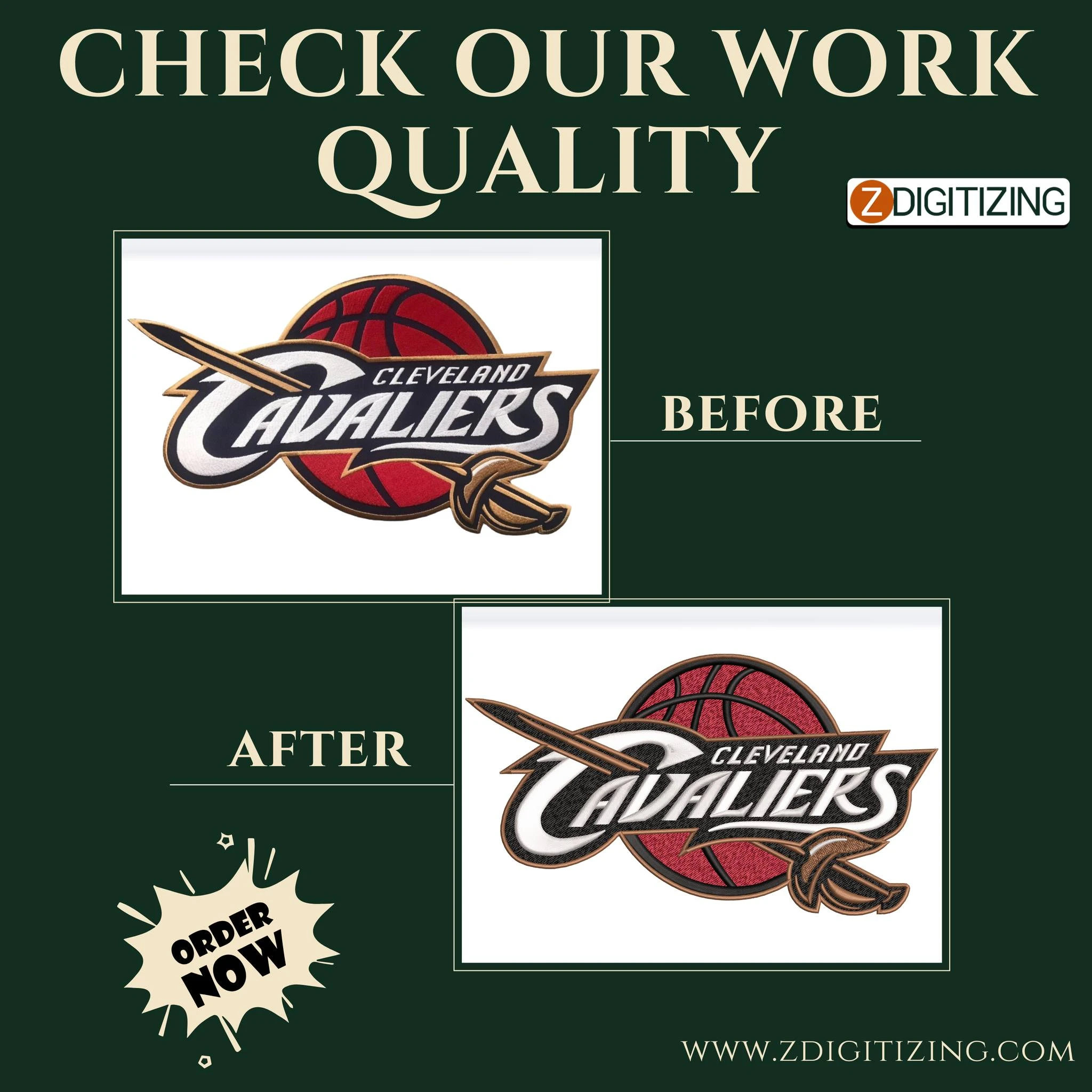
Logos play a critical role in how businesses present themselves across products, uniforms, and promotional materials. When a logo needs to be embroidered on apparel such as caps, jackets, or workwear, a standard image file cannot deliver the required accuracy. This is where the best logo digitizing becomes essential. Digitizing converts artwork into stitch-based files that embroidery machines can read, ensuring reliable and repeatable results across all production runs.
What Are Logo Digitizing Services?
Logo digitizing is a technical process that converts a logo into a digital embroidery file using specialized software. Unlike graphic design, digitizing focuses on stitch behavior rather than pixels. A skilled digitizer determines stitch types, direction, density, sequencing, and underlay to ensure the design stitches cleanly on fabric.
The goal is not to recreate the image exactly as it appears on screen, but to adapt it so it performs correctly during embroidery. Proper digitizing reduces thread breaks, prevents fabric distortion, and maintains design clarity even at smaller sizes.
Why Professional Logo Digitizing Is Important
Low-quality digitizing often leads to production issues such as uneven lettering, gaps in stitching, puckering, or excessive thread use. These problems increase machine downtime and material waste. Professional digitizing services address these issues by applying embroidery-specific knowledge and tested techniques.
Some practical advantages include:
- Accurate stitch paths that protect logo details
- Balanced stitch density for durability
- Smooth machine operation with fewer errors
- Consistent results across different garments
For businesses using embroidered branding regularly, dependable digitizing directly supports product quality and cost control.
Industries That Use Logo Digitizing Services
Logo digitizing supports many sectors that rely on embroidered branding for identification or promotion. Common examples include corporate uniforms, sports apparel, fashion labels, promotional merchandise providers, and educational organizations. Any operation producing embroidered items benefits from having properly digitized logo files that can be reused and scaled without quality loss.
Characteristics of Reliable Logo Digitizing Services
Not all digitizing services follow the same standards. Experienced providers focus on manual digitizing rather than automated conversions. Manual digitizing allows better control over stitch flow and ensures the design works well on different fabric types.
A dependable service typically offers compatibility with major embroidery formats, optimized stitch settings, proper underlay techniques, and clear communication during revisions. Turnaround time is important, but quality should always remain the priority.
Common Embroidery File Formats
Digitized logos are supplied in machine-readable formats. The most commonly used formats include DST, PES, EXP, JEF, VP3, and HUS. Each format corresponds to different embroidery machine brands. Access to the correct format ensures the logo can be used immediately without additional conversion.
Fabric-Specific Digitizing Considerations
Different fabrics respond differently to embroidery. Stretch materials require adjusted stitch density to avoid distortion, while thicker garments such as outerwear need stronger underlay for stability. Lightweight or delicate fabrics demand careful stitch planning to prevent damage.
Professional digitizers adjust settings based on fabric behavior, ensuring the logo maintains its shape and appearance regardless of where it is stitched.
Turnaround Time and Revision Support
Production schedules often require fast delivery of digitized files. Quality digitizing services balance efficiency with precision, providing accurate files within a reasonable timeframe. Revision support is equally important, as minor adjustments may be needed based on machine testing or fabric changes. This flexibility helps businesses avoid production delays.
Brand Consistency Through Logo Digitizing
Brand consistency depends on uniform presentation. A properly digitized logo ensures that every embroidered item looks the same across different batches and product types. This consistency strengthens brand recognition and presents a professional image to customers and employees alike.
Choosing the Right Lo go Digitizing Partner
Selecting the right digitizing service involves reviewing experience, technical knowledge, and communication practices. A reliable provider works as part of your production workflow, delivering files that perform correctly and reduce operational issues.
Final Thoughts
Logo digitizing services in USA play an essential role in converting artwork into embroidery-ready designs that meet professional standards. With accurate digitizing, businesses can produce embroidery that is clean, durable, and consistent across all branded items. Investing in professional digitizing ensures smoother production and long-term value for embroidered branding.
Frequently Asked Questions
1. What is the difference between logo digitizing and graphic design?
Graphic design focuses on visual appearance, while logo digitizing focuses on stitch behavior and machine execution for embroidery.
2. Can one digitized logo be used on different garments?
Yes, but adjustments may be required depending on fabric type and size to maintain embroidery quality.
3. How long does logo digitizing usually take?
Turnaround time depends on design complexity, but most professional services deliver within one to two business days.
4. Why should manual digitizing be preferred over auto-digitizing?
Manual digitizing provides better stitch control, reduces errors, and produces more reliable embroidery results.