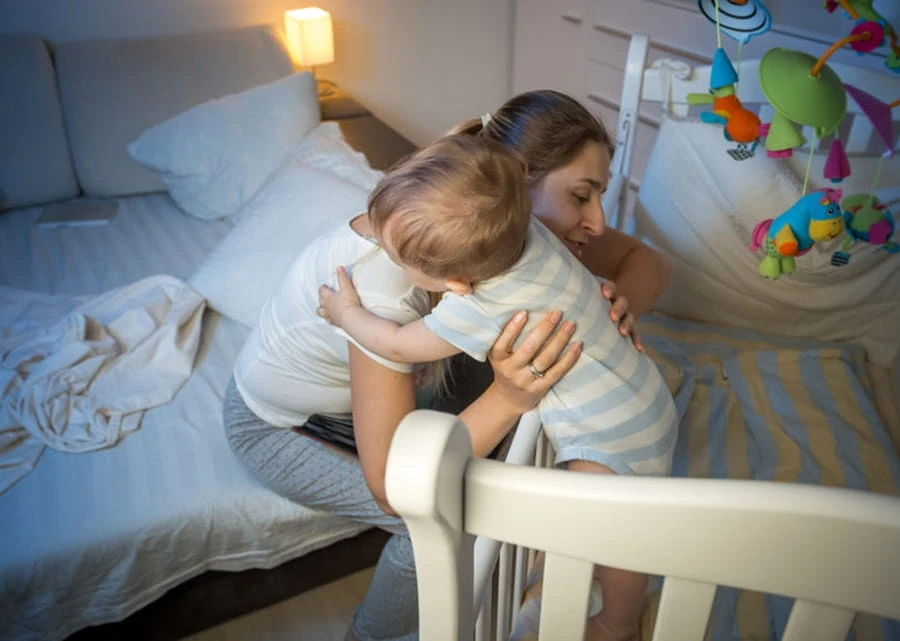
Every parent knows how heart-wrenching it can be to see their little one cry when they leave the room. Many babies experience Separation Anxiety in Babies, a normal developmental stage that typically appears between 6 to 12 months of age. While it can feel overwhelming, there are gentle ways to comfort your child and make transitions smoother for both of you. Understanding your baby’s needs and creating a secure environment can greatly reduce distress and promote healthy emotional growth.
Understanding Your Baby’s Fears
Separation anxiety isn’t just crying when you leave; it’s your baby expressing the fear of losing their main source of comfort. At this stage, babies are learning that people and objects are separate from themselves. This can trigger intense reactions even for a short separation. Recognizing that these feelings are normal helps you respond with patience rather than frustration. Your consistent presence and predictable routines can reassure your baby that you will always return.
Signs to Watch For
Babies show separation anxiety in different ways. Some might cling tightly, cry, or protest when a parent prepares to leave. Others may display physical signs such as restlessness, refusing to eat, or disrupted sleep. Understanding these signals allows you to respond with empathy. By acknowledging your baby’s emotions without overreacting, you can help them gradually feel safe and secure even when you are not in sight.
Common Triggers
Separation anxiety often worsens during changes in routine, such as starting daycare, traveling, or introducing new caregivers. Fatigue, hunger, or illness can also heighten distress. Identifying triggers can help you plan transitions more carefully, such as leaving your baby with a familiar toy or maintaining consistent nap and feeding schedules.
Gentle Techniques to Comfort Your Baby
Creating a nurturing environment is key to easing your baby’s anxiety. Parents can try several strategies to foster a sense of security. These techniques can be adapted to fit your baby’s temperament and daily routine. Following these steps consistently can gradually reduce anxiety episodes and strengthen your bond.
Consistent Goodbye Routine
A short and predictable goodbye routine helps babies anticipate your return. For instance, a hug, a kiss, and a reassuring phrase like, “See you soon!” can make separations less stressful. Avoid sneaking away as this may increase anxiety when the baby realizes you are gone.
Transitional Objects
Offering a favorite blanket, stuffed animal, or toy can provide comfort when you are away. Babies often attach to objects that carry your scent, which can reassure them in your absence. This method works particularly well during daycare or short outings.
Gradual Separation
Start with brief separations and slowly increase the time apart. Practice leaving the room while staying nearby, then gradually extend the distance. This step-by-step approach teaches your baby that you will return, helping them build trust and confidence in your presence.
Supporting Emotional Health
Ensuring your baby’s emotional well-being is crucial during these formative months. Creating a safe, nurturing environment, and seeking expert guidance when needed, can make a lasting difference. Parents can adopt strategies that reduce stress and foster secure attachment, which is essential for long-term emotional growth. Healthvore emphasizes nurturing practices that strengthen parent-child bonds and encourage healthy development.
Responsive Parenting
Respond promptly and calmly to your baby’s cries. This doesn’t spoil them; instead, it shows your baby that their feelings are valid and that they can rely on you. A sensitive and attentive response strengthens attachment and reduces fear during separations.
Engaging Playtime
Interactive play helps babies feel connected even when you need to step away. Peek-a-boo, hide-and-seek, and singing songs build trust and teach object permanence—the understanding that you exist even when out of sight. This knowledge helps reduce anxiety gradually.
Creating a Secure Environment
A familiar and comfortable setting helps babies feel safe. Maintain consistent routines for meals, naps, and bedtime. Ensure that caregivers follow the same comforting strategies. Predictability reassures babies, making transitions smoother and reducing distress.
Building Long-Term Confidence
Helping your baby navigate separation anxiety lays the foundation for resilience and independence. By providing steady support, parents teach coping skills that benefit children well into toddlerhood and beyond. Encouraging exploration while maintaining a secure base creates a confident, emotionally balanced child.
Encourage Independence
Allow your baby to explore new surroundings safely. Place toys slightly out of reach or set up small play stations. Gradual exploration fosters self-confidence and reduces clinginess over time.
Positive Reinforcement
Celebrate small victories when your baby handles brief separations calmly. Praising their efforts reinforces a sense of achievement and encourages continued growth. Avoid showing disappointment if regressions occur; these are normal and temporary.
Modeling Calm Behavior
Babies are highly perceptive of parental emotions. Stay calm and cheerful during separations, as anxiety can be contagious. Your steady demeanor teaches your baby that separations are safe and temporary.
FAQs
Q: At what age does separation anxiety typically start?
A: Separation anxiety usually begins around 6 months and peaks between 10 to 18 months. Every baby develops at their own pace, so some may show signs earlier or later.
Q: How long does separation anxiety last in babies?
A: Most babies gradually outgrow separation anxiety by 2 to 3 years old. Consistent reassurance, gentle routines, and supportive caregiving can help shorten the duration.
Q: Can daycare worsen separation anxiety?
A: Starting daycare may temporarily increase anxiety, but consistent routines, familiar objects, and patient caregivers usually help babies adjust over time. It can also promote social and emotional development.
Conclusion
Separation anxiety in babies is a natural stage that signals healthy attachment. With patience, consistent routines, and gentle strategies, parents can ease their child’s fears and create a secure environment for growth. Using transitional objects, establishing predictable goodbye routines, and practicing responsive parenting can make separations smoother. By supporting emotional health and gradually encouraging independence, you help your baby develop confidence and resilience. Trust the process, stay consistent, and remember that your love is the ultimate reassurance.