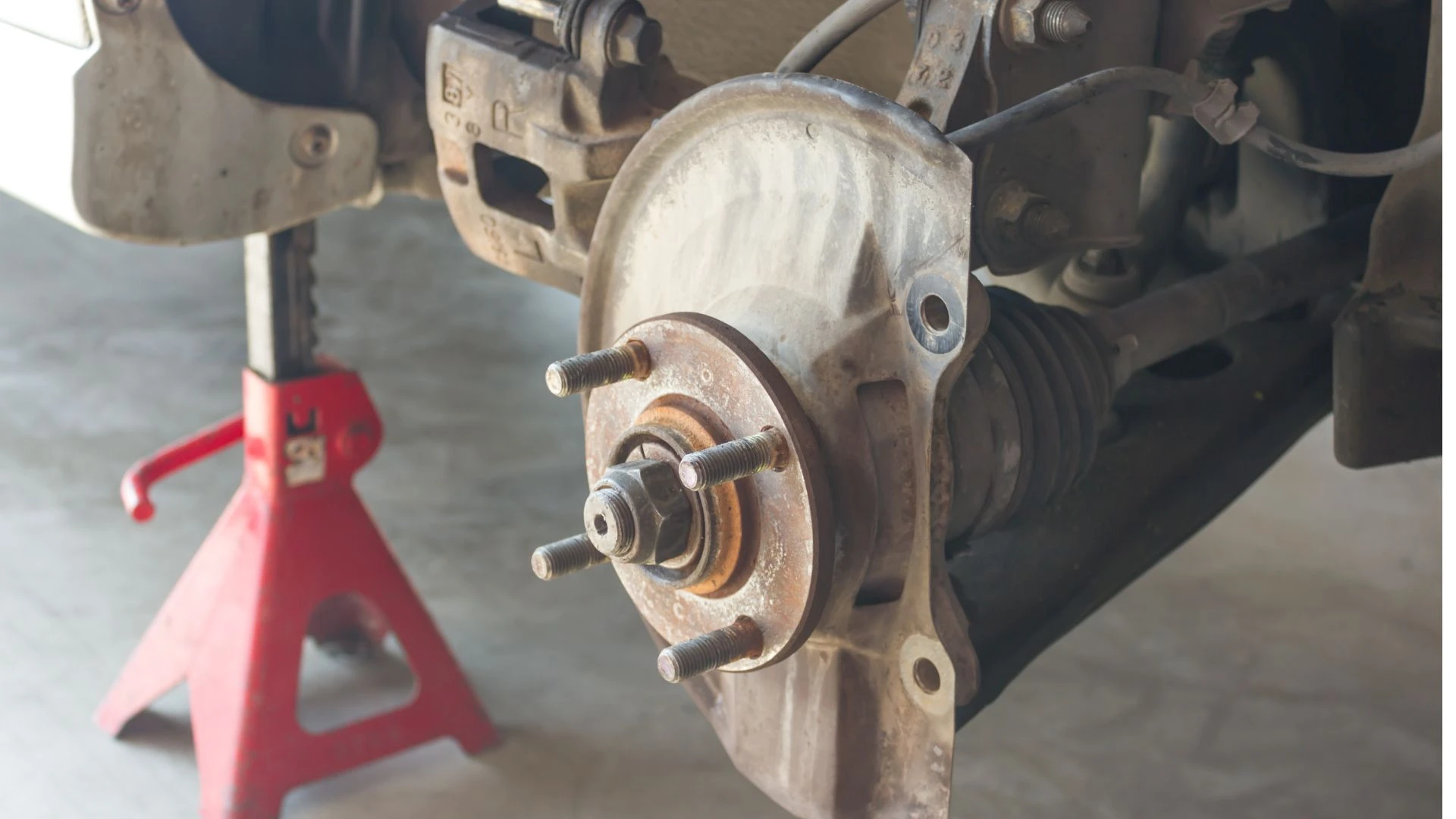
Air Brake System Market Size and Forecast (2025–2033)
According To Renub Research global air brake system market plays a critical role in ensuring safety, reliability, and performance across heavy-duty transportation segments, including commercial vehicles and railways. Air brake systems are widely preferred over hydraulic braking systems in large vehicles due to their superior braking force, durability, fail-safe operation, and ability to perform efficiently under high load and long-distance conditions. As global transportation networks expand and safety regulations become more stringent, the adoption of advanced air brake systems continues to accelerate.
Between 2025 and 2033, the global air brake system market is projected to grow from US$ 7.1 billion in 2024 to approximately US$ 13.54 billion by 2033, registering a compound annual growth rate (CAGR) of 7.44%. Market growth is driven by rising demand for heavy commercial vehicles, increasing emphasis on vehicle safety standards, expansion of electric and hybrid vehicle platforms, and growing adoption of lightweight, high-performance braking components. Additionally, technological advancements in braking electronics and the modernization of rail and public transport infrastructure are creating sustained demand for air brake systems worldwide.
Download Free Sample Report:https://www.renub.com/request-sample-page.php?gturl=air-brake-system-market-p.php
Global Air Brake System Industry Overview
Air brake systems operate by using compressed air to transmit braking force from the driver’s input to the brake mechanism. Key components of an air brake system include compressors, air reservoirs, governors, dryers, foot valves, brake chambers, slack adjusters, brake shoes, and drums or discs. When the driver applies the brake, compressed air activates the brake chamber, which forces friction materials against the braking surface to decelerate or stop the vehicle.
Compared to hydraulic braking systems, air brakes offer enhanced reliability and safety, particularly in heavy vehicles. In the event of air leakage, air brake systems are designed to default to a braking state, reducing the risk of brake failure. Their modular design allows for easier installation, removal, and maintenance, making them suitable for trucks, buses, trailers, and rolling stock. These advantages have made air brake systems the standard braking solution for heavy-duty and long-haul transportation.
The market is also benefiting from the development of lightweight air brake systems that require fewer components while delivering improved ground clearance, protection from road debris, and higher operational efficiency. Such innovations are especially valuable in line-haul trucking and trailer applications, where vehicle weight reduction directly impacts fuel efficiency and payload capacity.
Technological Advancements and Industry Evolution
Manufacturers in the air brake system market are continuously developing advanced components that meet the performance demands of high-speed trains, modern buses, and next-generation commercial vehicles. Innovations include electronically controlled braking systems, air disc brakes with improved heat dissipation, and integrated braking solutions that work in coordination with vehicle stability and safety systems.
Research and development efforts are also focused on enhancing braking responsiveness, reducing maintenance requirements, and extending component life cycles. Government initiatives promoting vehicle safety, emission reduction, and infrastructure modernization further support the adoption of advanced air brake systems. In the railway sector, the expansion of high-speed rail networks and metro systems is driving demand for sophisticated air brake technologies capable of ensuring precise control and passenger safety.
Key Factors Driving the Air Brake System Market Growth
Emphasis on Fuel Efficiency and Sustainability
Fuel efficiency has become a top priority in the global transportation industry due to rising fuel costs and growing environmental concerns. Air brake systems contribute to improved fuel efficiency by minimizing energy losses during braking and reducing overall vehicle weight through optimized component design.
Advanced air brake systems integrate computerized controls and automated brake adjustment mechanisms, ensuring consistent braking performance and reducing unnecessary friction. These features help limit component wear and tear, lowering maintenance frequency and enhancing vehicle lifespan. By improving braking efficiency and operational reliability, air brake systems support sustainability goals and cost reduction initiatives across commercial vehicle fleets.
Expansion of Electric Vehicles (EVs)
The rapid growth of electric vehicles has had a significant impact on the air brake system market. Electric trucks, buses, and rail vehicles require braking systems that support regenerative braking while maintaining high safety standards. Regenerative braking captures kinetic energy during deceleration and converts it into electrical energy, which is stored in the vehicle’s battery to extend driving range.
Air brake systems designed for EV platforms must seamlessly integrate with regenerative braking technologies, ensuring smooth transitions between mechanical and regenerative braking. This requirement has driven innovation in air brake system design, leading to customized solutions that balance energy recovery, braking performance, and vehicle safety. As electric mobility expands globally, demand for EV-compatible air brake systems is expected to rise steadily.
Growing Aftermarket Demand
The increasing global fleet of commercial vehicles is driving strong demand for aftermarket air brake components and services. As trucks, buses, and trailers accumulate mileage over time, routine maintenance and replacement of critical braking components become essential to ensure safety and regulatory compliance.
Industries such as freight transportation, logistics, public transit, and construction rely heavily on vehicle uptime, making reliable braking systems a priority. Aftermarket demand includes brake chamber replacements, air compressor servicing, slack adjuster upgrades, and system retrofits. With commercial vehicle fleets expanding in both developed and emerging markets, aftermarket services represent a stable and recurring revenue stream for air brake system manufacturers.
Challenges in the Air Brake System Market
Limited Awareness and Technical Training
A lack of awareness and technical expertise poses a significant challenge to market growth, particularly in regions with underdeveloped transportation infrastructure. Fleet operators and technicians in such areas may lack the necessary training to properly install, operate, and maintain air brake systems, leading to incorrect usage and higher maintenance costs.
The absence of certified training programs and skilled professionals further restricts adoption of advanced air brake technologies. Addressing this challenge requires investment in training initiatives, educational programs, and awareness campaigns to ensure proper system handling and long-term performance.
Complexity and Cost of Maintenance
Air brake systems are inherently more complex than conventional hydraulic brakes, consisting of multiple interconnected components that require regular inspection and servicing. The need for specialized tools and trained technicians increases maintenance costs and can discourage adoption in cost-sensitive markets.
In regions where access to repair services and spare parts is limited, maintaining air brake systems can be particularly challenging. High maintenance costs and service accessibility issues may restrain market growth, especially in developing economies with limited technical infrastructure.
Air Brake System Market Overview by Regions
The air brake system market exhibits strong regional variation, influenced by regulatory frameworks, infrastructure development, and transportation demand. North America and Europe lead in terms of technological adoption and safety compliance, while Asia-Pacific shows rapid growth driven by industrial expansion and urbanization. Emerging markets in the Middle East, Africa, and Latin America present long-term growth opportunities but face infrastructure and training challenges.
United States Air Brake System Market
The United States air brake system market is driven by strong demand for commercial vehicles, including trucks, buses, and trailers. Strict safety regulations enforced by federal authorities mandate the use of advanced braking systems in heavy-duty vehicles, supporting market growth.
The increasing adoption of technologies such as electronic braking systems (EBS) and anti-lock braking systems (ABS) enhances vehicle control and reduces accident rates. Expansion of the logistics and transportation sectors, along with ongoing infrastructure development, further boosts demand. However, high initial system costs and complex maintenance requirements remain key challenges for fleet operators.
Germany Air Brake System Market
Germany represents a critical market for air brake systems within Europe, supported by its strong industrial base and stringent vehicle safety standards. The presence of leading braking system manufacturers and advanced automotive engineering capabilities positions Germany at the forefront of braking technology innovation.
German commercial vehicle manufacturers prioritize safety and performance, driving demand for advanced air disc brakes and electronically controlled braking solutions. Efficient distribution networks and modern infrastructure support widespread adoption across Europe. Despite these advantages, challenges such as high maintenance costs and the need for specialized training persist.
India Air Brake System Market
India’s air brake system market is expanding steadily due to rising demand for safer and more efficient braking technologies in the automotive and railway sectors. Increasing awareness of road safety, combined with stricter regulations, is encouraging adoption of advanced air brake systems.
Infrastructure development, urbanization, and growing investments in rail and public transportation projects are expected to drive future demand. Innovations such as regenerative braking and electronically controlled air brakes are gaining traction, supported by government initiatives promoting modernization and safety improvements.
United Arab Emirates Air Brake System Market
The UAE air brake system market is experiencing notable growth driven by expanding transportation infrastructure and rising demand for heavy-duty commercial vehicles. Key sectors such as construction, logistics, and public transportation rely on advanced braking systems to ensure operational efficiency and safety.
Government regulations aimed at improving road safety, along with the adoption of telematics and electronic braking technologies, are shaping market development. Strong participation from international manufacturers and increasing investments in smart transportation systems position the UAE as a key market in the Middle East.
Market Segmentation Overview
The air brake system market is segmented by type into air drum brakes and air disc brakes. Air disc brakes are gaining popularity due to superior heat dissipation and consistent braking performance. By component, the market includes compressors, governors, tanks, air dryers, foot valves, brake chambers, slack adjusters, and other auxiliary components. By application, the market serves trucks, buses, and rolling stock across regional and global transportation networks.
Competitive Landscape and Key Players
The global air brake system market is highly competitive, with leading manufacturers focusing on innovation, safety, and system integration. Key companies operating in the market include ZF Friedrichshafen AG, Knorr-Bremse AG, Wabtec Corporation, Haldex Group, Nabtesco Corporation, Meritor Inc., TSE Brakes Inc., and Federal-Mogul Holding Corporation.
Companies are evaluated across multiple parameters, including product portfolio, technological innovation, strategic developments, revenue performance, and geographic presence.
Future Outlook
The global air brake system market is expected to maintain strong growth momentum through 2033, driven by increasing safety regulations, expansion of electric and commercial vehicle fleets, and continued infrastructure development. While challenges related to maintenance complexity and technical training remain, advancements in lightweight design, digital braking systems, and aftermarket services present significant growth opportunities. As transportation systems evolve worldwide, air brake systems will remain a cornerstone of vehicle safety and performance.