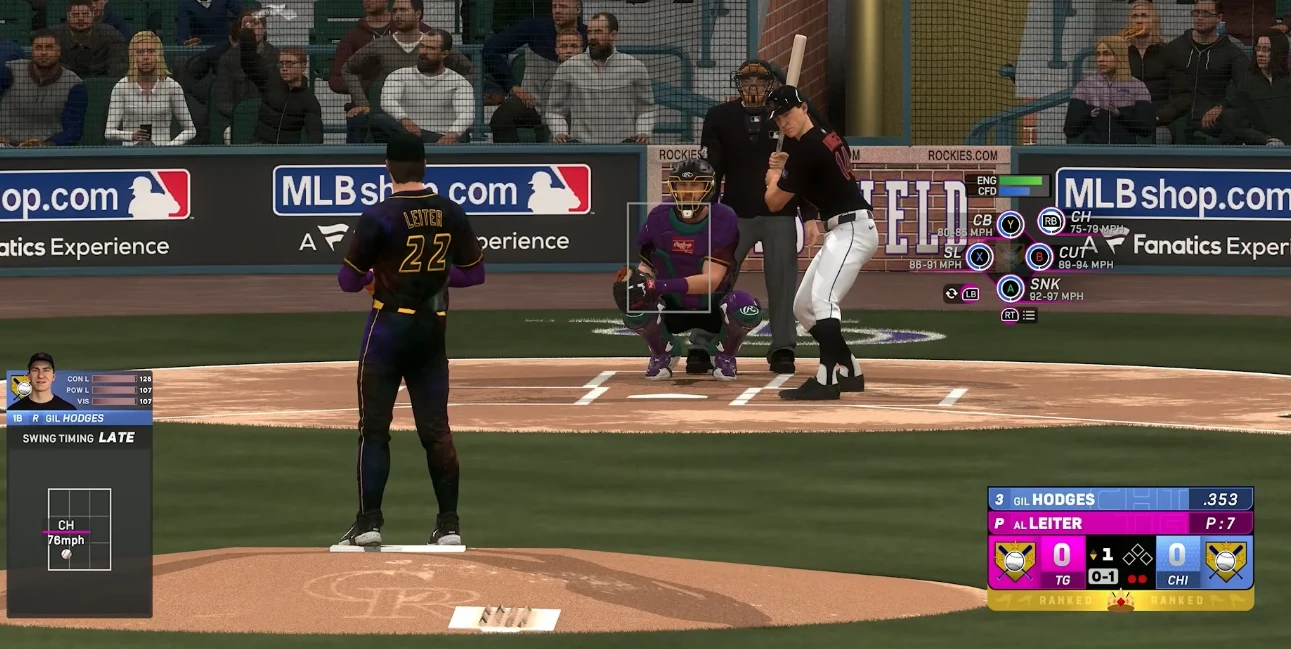
In MLB The Show 26, managing your roster and making the right moves at the right time is crucial. One situation that can make or break your game is the late-inning pinch-runner decision. Knowing when and who to pinch-run for can have a significant impact on your ability to score or keep the game tied in the final innings. In this article, we'll break down the key points about late-inning pinch-running, answering common questions to help you make smarter decisions in those high-pressure moments.
What Is Pinch-Running in MLB The Show 26?
A pinch-runner is a player who replaces a base runner, usually later in the game, to take advantage of their speed. Pinch-runners are most effective when you're trying to advance a runner in a critical situation, like when you're down by one or two runs in the bottom of the ninth inning. The strategy involves subbing out a slower player for someone faster, giving you a better chance to move around the bases and score.
In practice, this is especially important when you have a runner on base in a critical situation but your current runner has poor speed stats. Pinch-running can give you a crucial advantage in stealing a base or scoring from second on a single. You also have to be aware of how much time is left in the game and whether you need to take calculated risks.
When Should I Consider Pinch-Running?
Pinch-running is most common in the late innings, especially when the game is close. A few scenarios where pinch-running is useful include:
-
Runner in Scoring Position Late in the Game: If you have a runner on second or third with one or two outs in a tie game or while down a run, it might be worth using a pinch-runner. Speed can make all the difference in getting your runner into scoring position or even scoring on a single.
-
You Need to Steal a Base: If you have a runner on first and need to steal second base to give yourself a better chance of scoring, substituting in a pinch-runner with high speed can be a smart move.
-
Critical Game Moments: When you're in a clutch situation and have a batter coming up who is known for hitting for power or contact, a pinch-runner could give you that extra edge to advance a runner.
In these scenarios, it's important to weigh the risk of losing a player for the game if you pinch-run with someone who is not a regular in your lineup.
Who Should I Pinch-Run With?
Choosing the right pinch-runner is key. It’s not always about having the fastest player on your roster, but the one who will help you in the specific situation you are facing.
-
Speed and Stealing: When pinch-running, you generally want someone with a high Speed and Stealing stat. These players can help you get the extra base when you need it. For example, a player with 90+ speed can be the difference between a runner being thrown out at second and making it safely.
-
Durability and Availability: Pinch-running works best when you’re not depleting your bench. If you’re using a key player just for speed and running out of pinch-hitters or defensive replacements, you could be left short in other areas later in the game. Consider the balance between your team’s lineup and defense before using a pinch-runner.
-
Versatility: Some players have great speed but are also versatile enough to play multiple positions. These players can often be swapped out without completely impacting your team’s defense, which is crucial in the late innings of a close game.
Keep in mind that in MLB The Show 26, you can always check a player’s speed, stealing ability, and how well they perform in clutch situations. Using players with good baserunning stats helps minimize risk when making pinch-running decisions.
How Do I Actually Execute a Pinch-Running Move?
Executing a pinch-runner swap in MLB The Show 26 is simple but requires timing. To sub a pinch-runner into the game, follow these steps:
-
Pause the Game: When it's time to make a pinch-running change, press the pause button to enter the roster menu.
-
Substitute Player: Go to your roster or player management menu, then choose the player you want to replace and select a pinch-runner. The pinch-runner will take the base.
-
Confirm: After you’ve selected the pinch-runner, confirm the substitution. Now, the pinch-runner will enter the game to replace the slow player on base.
In MLB The Show 26, it's helpful to plan ahead and have your pinch-runner ready to go in case the situation arises. Constantly evaluating the game’s score, your current roster, and the opponent’s bullpen can help you stay one step ahead.
What Are the Risks of Pinch-Running?
Pinch-running has its risks, particularly if you're too aggressive or use a player who isn't suitable for the situation. Here are some common pitfalls:
-
Losing a Key Player: If you’re using a bench player to pinch-run, you could be sacrificing that player’s bat for the rest of the game. If your pinch-runner is also a bench player, you could also lose your backup options for later situations.
-
Getting Thrown Out: While pinch-running can help you steal bases or advance a runner, it also carries the risk of getting thrown out at the next base. If you send your pinch-runner on a steal attempt and they’re caught, it could kill the inning.
-
Too Aggressive: Sometimes players get too excited and go for the steal or extra base without considering the situation. If you’re down by a few runs in the final innings, playing it safe might be a better move than risking a thrown-out runner.
It’s important to balance speed with caution. In many cases, simply advancing a runner one base at a time can be more effective than taking risks with stolen bases or too-aggressive base-running.
How Can I Improve My Pinch-Running Strategy?
The key to improving your pinch-running strategy is simple: practice and awareness.
-
Familiarize Yourself with Player Stats: Before getting into late-inning situations, take some time to learn who on your roster has the best speed and baserunning stats. This way, you’ll know who’s your best pinch-runner without having to check in the middle of the game.
-
Game Situations: Get familiar with common game situations that require pinch-running. If you're consistently down by a run or two in the later innings, you’ll be better prepared to use a pinch-runner at the right time.
-
Know When to Take Risks: Not every base is worth stealing, and not every runner should be pinch-run for. Take the time to understand when it makes sense to gamble on a steal and when to play it safe.
-
Utilize the Bench Wisely: If you're serious about making pinch-running a part of your strategy, ensure you’ve got the right players on your bench. Keep a few fast players ready for situations where you’ll need them the most.
If you're looking to upgrade your roster with better players, sometimes buying MLB 26 stubs online can help you get the right guys for these clutch moments. Having access to top-tier pinch-runners can make a big difference in close games.
Late-inning pinch-running is a powerful tool in MLB The Show 26, but it requires careful thought and execution. Knowing when to make the move, choosing the right player, and understanding the risks involved can turn a tight game into a win. The most successful players are those who recognize the best times to pinch-run, avoid unnecessary risks, and manage their roster for maximum effect.