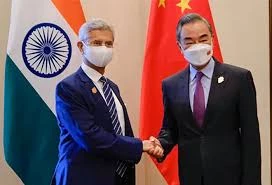
India and China relations represent one of the most complex and significant bilateral relationships in global geopolitics. As the worlds two most populous nations and fastest-growing major economies, India and China play a decisive role in shaping regional stability, economic trends, and international diplomacy. While the two countries share deep historical and cultural ties, India China relations have often been marked by strategic competition, border disputes, and political mistrust.
This article explores the evolution of India and China relations, key areas of cooperation and conflict, and the future prospects of this critical relationship.
Historical Background of India and China Relations
The roots of India China relations go back more than two millennia. Ancient trade routes, cultural exchanges, and the spread of Buddhism from India to China laid the foundation for early cooperation. The famous Silk Road facilitated not only commerce but also the exchange of ideas, art, and philosophy.
After India’s independence in 1947 and the founding of the People’s Republic of China in 1949, both nations sought to establish friendly ties. The slogan “Hindi-Chini Bhai-Bhai” symbolized early optimism. However, this goodwill was short-lived.
The 1962 Sino-Indian War marked a turning point in India and China relations, creating long-lasting mistrust. The border conflict, primarily over Aksai Chin and Arunachal Pradesh, severely damaged diplomatic relations and continues to influence bilateral interactions to this day.
Border Disputes and Strategic Tensions
One of the most sensitive aspects of India China relations is the unresolved border dispute along the Line of Actual Control (LAC). Spanning over 3,400 kilometers, the border remains undefined in several sectors, leading to frequent standoffs between military forces.
Periodic tensions, military face-offs, and diplomatic negotiations highlight the fragile nature of peace along the border. While both countries have signed agreements to maintain stability and avoid escalation, trust remains limited.
The border issue is not just a territorial dispute but a symbol of deeper strategic rivalry. It significantly affects political dialogue, defense planning, and public perception in both countries.
Economic Relations Between India and China
Despite political tensions, economic engagement remains a crucial pillar of India and China relations. China is one of India’s largest trading partners, with bilateral trade covering sectors such as electronics, pharmaceuticals, machinery, chemicals, and consumer goods.
However, the trade relationship is heavily skewed in China’s favor, resulting in a substantial trade deficit for India. This imbalance has become a point of concern in India China relations, prompting India to push for greater market access and domestic manufacturing initiatives.
Investment flows, technology partnerships, and supply chain dependencies further complicate economic ties. While both nations recognize the benefits of cooperation, economic competition is steadily increasing.
Diplomatic and Multilateral Engagement
India and China frequently interact on global and regional platforms such as the United Nations, BRICS, G20, Shanghai Cooperation Organisation (SCO), and climate change negotiations. These forums provide opportunities for dialogue and collaboration, even during periods of bilateral strain.
In multilateral settings, India and China relations often reflect a mix of cooperation and competition. Both countries advocate for a multipolar world order and greater representation for developing nations, yet their strategic priorities do not always align.
China’s close ties with Pakistan and India’s growing partnerships with countries like the United States, Japan, and Australia also influence diplomatic equations and regional dynamics.
Military and Security Dimensions
Security concerns form a critical component of India China relations. Both nations have significantly modernized their military capabilities, with a strong focus on border infrastructure, cyber security, and naval presence in the Indo-Pacific region.
China’s expanding influence in South Asia and the Indian Ocean Region has raised concerns in India, while China remains wary of India’s strategic partnerships and growing global profile.
Confidence-building measures, military dialogues, and diplomatic talks aim to prevent misunderstandings, but strategic distrust remains a defining feature of the relationship.
Cultural and People-to-People Ties
Beyond politics and strategy, cultural and educational exchanges play an important role in softening perceptions. Student exchanges, tourism, yoga, traditional medicine, and academic collaborations contribute positively to India and China relations.
However, people-to-people engagement has not reached its full potential, partly due to political tensions and limited cultural understanding at the grassroots level.
Strengthening these ties could help build mutual trust and reduce stereotypes, supporting long-term stability in India China relations.
The Future of India and China Relations
The future of India and China relations will likely be shaped by a careful balance of cooperation, competition, and conflict management. Both countries understand that open confrontation would be costly, not only for themselves but also for global stability.
Dialogue, diplomacy, and confidence-building measures remain essential. Managing differences while expanding cooperation in areas like climate change, global health, and economic development could help stabilize relations.
At the same time, strategic competition is expected to continue as both nations seek greater influence on the world stage. How effectively India and China navigate this complex relationship will have far-reaching implications for Asia and beyond.
Conclusion
In conclusion, India China relations are multifaceted, dynamic, and often challenging. Rooted in ancient ties yet shaped by modern geopolitical realities, the relationship encompasses cooperation, rivalry, and cautious engagement. While unresolved disputes and strategic competition persist, both nations have strong incentives to maintain dialogue and avoid escalation.
As global power dynamics continue to evolve, India and China relations will remain a central factor in determining regional peace, economic growth, and international stability.