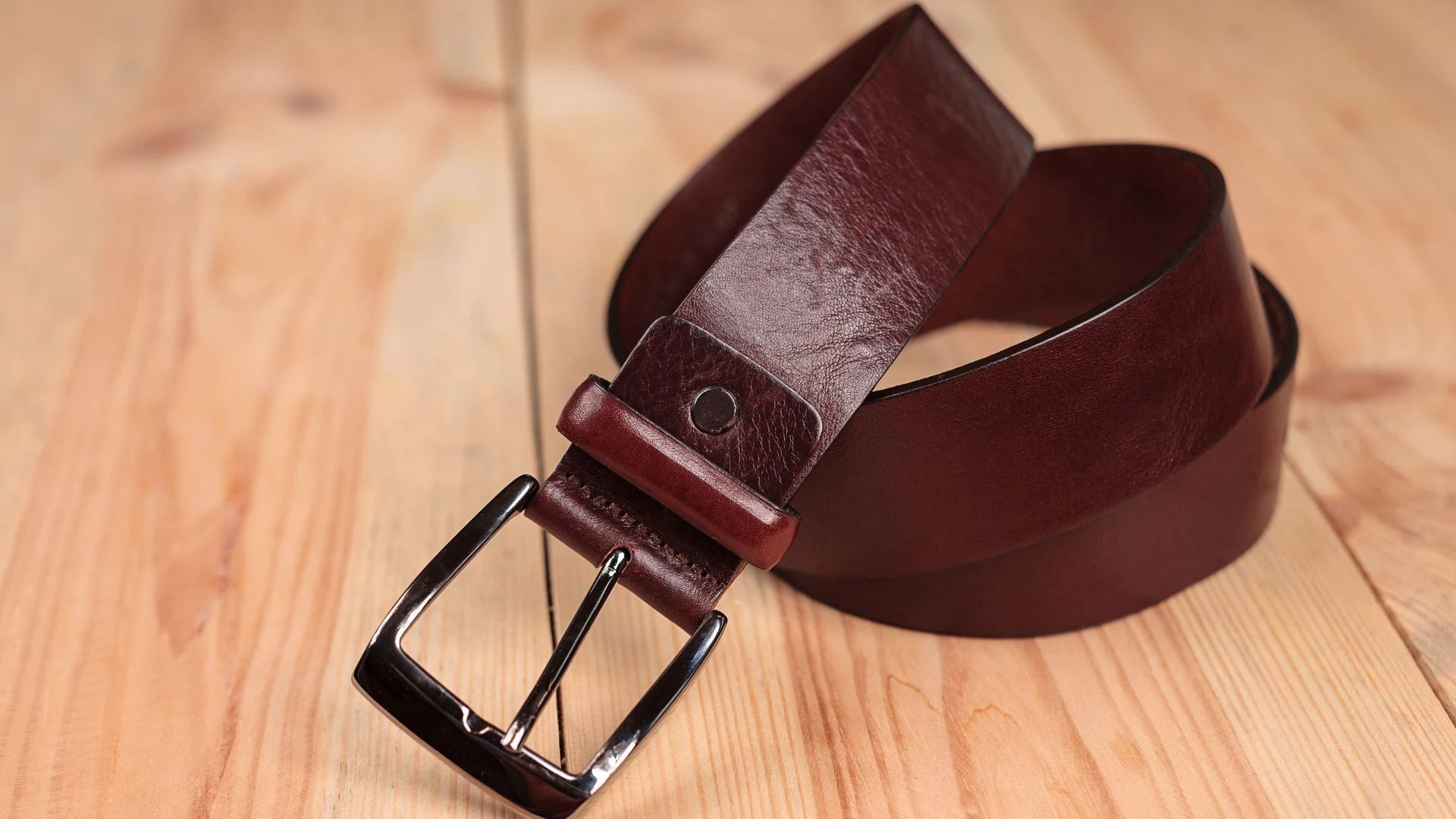
Belts and Wallets Market Size & Forecast (2026–2034)
The global Belts and Wallets Market is poised for steady expansion over the next decade. According to Renub Research, the market is projected to grow from US$ 26.53 billion in 2025 to US$ 44.94 billion by 2034, registering a CAGR of 6.03% from 2026 to 2034.
The growth momentum is fueled by rising disposable incomes, increasing fashion consciousness, expansion of e-commerce platforms, demand for premium and branded accessories, and strong influence from celebrity endorsements and social media trends. As consumers increasingly view belts and wallets as fashion statements rather than purely functional items, the industry continues to evolve through innovation, sustainability, and premiumization.
Download Free Sample Report:https://www.renub.com/request-sample-page.php?gturl=belts-and-wallets-market-p.php
Belts and Wallets Industry Overview
Belts and wallets form a critical segment of the global fashion accessories industry. While traditionally essential for utility—holding clothing in place or organizing cash and cards—these products have become symbols of style, identity, and lifestyle.
The industry covers a wide product spectrum, including:
-
Leather and non-leather belts
-
Formal, casual, and designer wallets
-
Luxury branded accessories
-
Sustainable and eco-friendly alternatives
Market participants range from global luxury houses to regional manufacturers and emerging direct-to-consumer brands, offering products across multiple price tiers.
Innovation is reshaping the category. Wallets now include RFID protection, minimalist profiles, and smart compartments, while belts feature interchangeable buckles, stretch-fit technology, and contemporary metallic finishes. Sustainability is also gaining traction, with brands experimenting with recycled fabrics, plant-based leather alternatives, and ethical production practices.
Key Growth Drivers of the Belts and Wallets Market
1. Rising Fashion Consciousness and Lifestyle Trends
Fashion awareness across age groups is a primary growth catalyst. Accessories like belts and wallets are no longer secondary purchases—they are central to completing outfits and expressing individuality.
Several factors are accelerating demand:
-
Urbanization and global exposure to fashion trends
-
Social media influence and influencer marketing
-
Celebrity endorsements
-
Designer collaborations and limited editions
Millennials and Gen Z consumers, in particular, prioritize aesthetics, brand identity, and versatility. Seasonal collections and fast-changing fashion cycles encourage repeat purchases, strengthening market volume and revenue growth.
2. Expansion of E-Commerce and Digital Retail
Digital transformation has fundamentally reshaped the buying journey. Online retail platforms provide:
-
Broad product variety
-
Price comparisons
-
Access to global brands
-
Personalized customization options
Tier-2 and tier-3 cities in emerging markets are witnessing strong growth due to improved digital access. Mobile commerce and social media marketplaces are amplifying product visibility, while influencer campaigns drive impulse purchases.
Customization—such as engraved initials, unique buckle designs, and tailored sizes—is increasingly offered online, strengthening consumer engagement and brand loyalty.
3. Growing Demand for Premium and Branded Accessories
Premiumization is a defining trend in the belts and wallets market. Consumers are increasingly willing to invest in high-quality products that offer durability, prestige, and craftsmanship.
Luxury and established brands emphasize:
-
Genuine leather and advanced synthetics
-
Innovative hardware and design elements
-
Brand heritage and exclusivity
Functional upgrades like RFID-blocking wallets, modular compartments, and ergonomic belt designs enhance perceived value. In emerging economies, aspirational buying behavior further drives premium segment growth.
Market Challenges
1. Intense Competition and Fragmentation
The belts and wallets market is highly fragmented, with strong competition among global luxury brands, mid-range labels, and local players.
Challenges include:
-
Pricing pressures
-
Marketing cost escalation
-
Counterfeit products in emerging markets
-
Rapidly changing fashion trends
Maintaining brand differentiation while staying agile in product development remains critical for long-term success.
2. Raw Material Price Volatility and Supply Chain Risks
Leather, synthetic fabrics, and metal hardware represent major input costs. Fluctuating leather prices, environmental regulations, and global trade disruptions can impact profitability.
Supply chain vulnerabilities—highlighted during global crises—have emphasized the importance of diversification and inventory planning. Sustainable material sourcing also adds complexity and cost considerations.
Regional Market Insights
United States
The United States market is mature yet dynamic, driven by strong consumer spending and brand awareness. Accessories are viewed as lifestyle statements, with steady demand for premium and innovative products.
The presence of leading fashion and lifestyle brands strengthens competitive intensity. Companies such as Ralph Lauren Corporation and Levi Strauss & Co. maintain strong influence across both retail and digital channels.
E-commerce penetration, omnichannel retailing, and influencer marketing significantly shape purchasing decisions, particularly among younger demographics.
Germany
Germany’s belts and wallets market is characterized by a strong preference for quality, durability, and sustainability. Consumers prioritize ethically sourced leather and environmentally friendly materials.
Premium European brands maintain significant traction. Companies like Puma SE and PVH Corp. serve diverse consumer segments through both physical and digital retail channels.
E-commerce adoption and minimalist design trends continue to drive steady market growth.
India
India represents one of the fastest-growing markets, fueled by urbanization, rising disposable incomes, and a young fashion-conscious population.
The market spans:
-
Affordable mass-market products
-
Mid-tier branded accessories
-
Premium international labels
E-commerce expansion and social media marketing are key growth accelerators. Brands like Titan Company Ltd are strengthening their presence by offering quality products across price points.
United Arab Emirates
The UAE market is strongly driven by luxury consumption and fashion tourism. High disposable incomes and premium shopping destinations contribute to robust demand for designer belts and wallets.
Luxury conglomerates such as Kering SA and Prada S.p.A. benefit from the region’s appetite for high-end accessories.
Omnichannel retailing and influencer-led marketing further enhance consumer engagement.
Recent Industry Developments
Luxury fashion houses continue innovating in material and design:
-
Prada S.p.A. introduced the Re-Nylon Belt, crafted from recycled nylon, reflecting sustainability trends.
-
Kering SA’s brand Gucci launched the MG Marmont wallet featuring its signature quilted design.
-
LVMH’s Louis Vuitton unveiled the LV Volt Belt inspired by contemporary metallic aesthetics.
These launches underscore the integration of sustainability, heritage branding, and innovation.
Market Segmentation
By Type
-
Belts
-
Wallets
By Material
-
Leather
-
Non-Leather
By Distribution Channel
-
Online
-
Offline
By End User
-
Men
-
Women
By Region
North America, Europe, Asia Pacific, Latin America, and Middle East & Africa, including key markets such as the United States, Germany, India, UAE, China, Japan, Brazil, and others.
Competitive Landscape
The market includes global luxury houses, lifestyle brands, and regional manufacturers. Key players include:
-
Burberry Group plc
-
Kering SA
-
Levi Strauss & Co.
-
Puma SE
-
Ralph Lauren Corporation
-
Titan Company Ltd
-
PVH Corp.
-
Prada S.p.A.
Companies are evaluated through five viewpoints: business overview, key persons, recent developments, SWOT analysis, and financial insights.
Final Thoughts
The global belts and wallets market is set for consistent and sustainable growth, expanding from US$ 26.53 billion in 2025 to US$ 44.94 billion by 2034 at a CAGR of 6.03%, according to Renub Research.
Fashion-driven demand, digital retail transformation, premiumization, and sustainability are reshaping the industry landscape. While competitive intensity and raw material volatility remain challenges, brands that successfully combine style, innovation, and ethical production will capture long-term consumer loyalty.
As accessories continue evolving from functional essentials to lifestyle statements, the belts and wallets market stands positioned for resilient growth across both developed and emerging economies.