Hair Transplant Market Size and Forecast 2026–2034
The global hair transplant market is poised for strong expansion over the next decade. According to Renub Research, the market is expected to increase from US$ 6.81 billion in 2025 to US$ 14.83 billion by 2034, registering a CAGR of 9.03% from 2026 to 2034.
The rising prevalence of androgenic alopecia, growing aesthetic awareness, and expanding acceptance of minimally invasive cosmetic procedures are major contributors to this growth. Technological advancements—particularly robotic-assisted Follicular Unit Extraction (FUE), improved graft survival techniques, and regenerative therapies—are reshaping the global hair restoration landscape.
Download Free Sample Report:https://www.renub.com/request-sample-page.php?gturl=hair-transplant-market-p.php
Hair Transplant Industry Overview
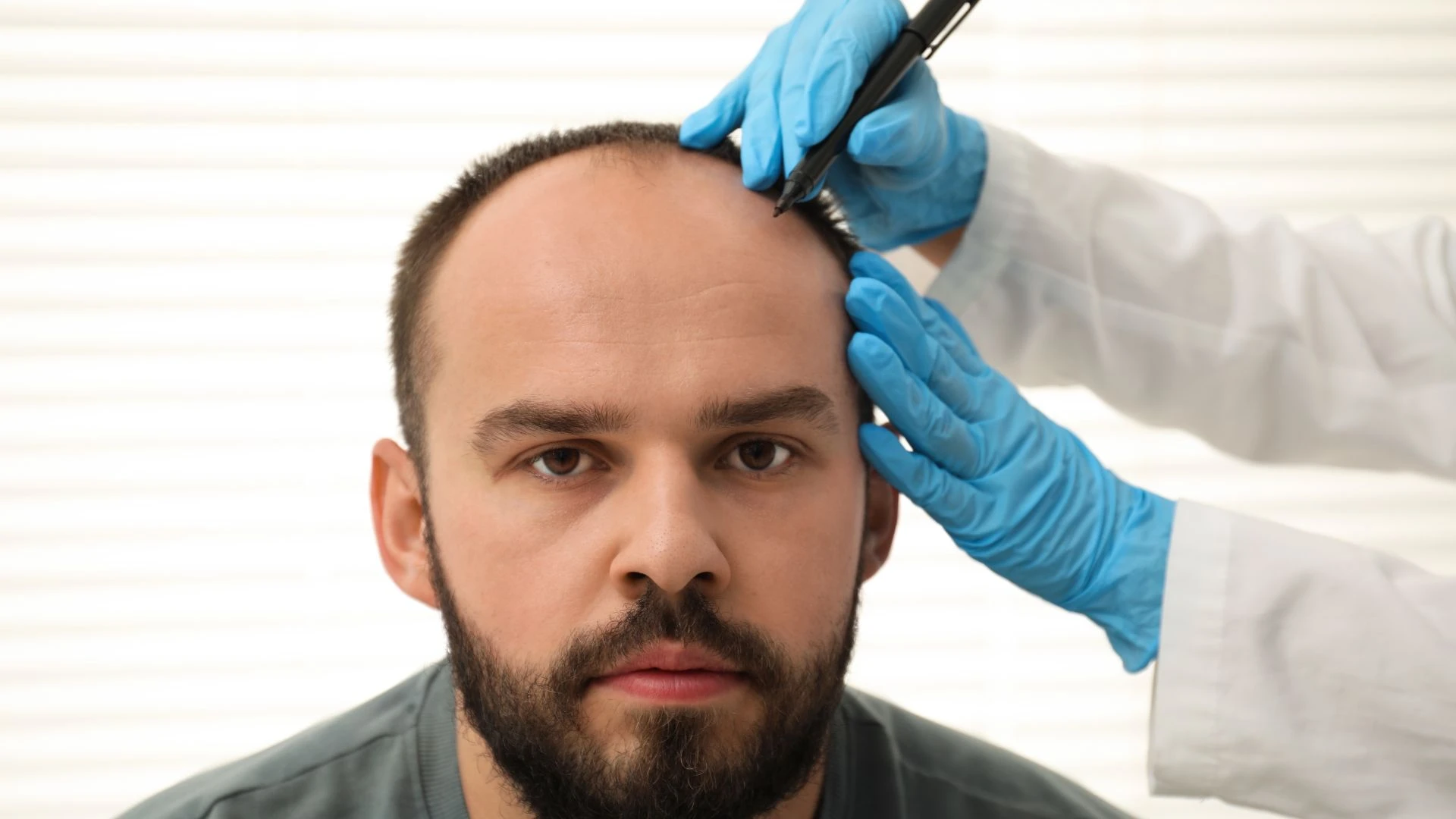
A hair transplant is a surgical procedure that relocates healthy hair follicles from a donor site—typically the back or sides of the scalp—to areas experiencing thinning or baldness. The most widely used techniques include:
-
Follicular Unit Extraction (FUE)
-
Follicular Unit Transplantation (FUT)
Modern procedures emphasize minimally invasive approaches, natural hairline design, faster recovery, and higher graft survival rates.
Hair transplantation is commonly used to treat:
-
Androgenic alopecia (male and female pattern baldness)
-
Scarring alopecia
-
Hair loss from injury or medical treatments
-
Eyebrow and facial hair thinning
Increased social acceptance of cosmetic procedures, celebrity influence, and digital visibility through social media have significantly reduced stigma. As a result, hair restoration is increasingly viewed as a mainstream aesthetic solution rather than a niche procedure.
Growth Drivers for the Hair Transplant Market
Rising Prevalence of Androgenic Alopecia and Lifestyle-Related Hair Loss
The growing incidence of androgenic alopecia remains the strongest driver of market expansion. Factors such as genetics, hormonal imbalance, chronic stress, nutritional deficiencies, and environmental pollutants contribute to early-onset hair thinning in both men and women.
Urban lifestyles, increased stress levels, and dietary changes have accelerated hair loss prevalence globally. Younger demographics are now seeking permanent restoration solutions earlier than previous generations.
Unlike temporary treatments such as topical medications, hair transplantation offers long-term, natural-looking outcomes. As awareness increases and stigma declines, more individuals are choosing surgical intervention.
The aging global population also contributes to rising demand, as age-related thinning remains a common concern worldwide.
Technological Advancements and Improved Clinical Outcomes
Innovation has significantly improved procedural precision and patient outcomes. Key advancements include:
-
Robotic-assisted FUE systems
-
AI-guided graft placement
-
Sapphire-blade incisions
-
Ultra-refined micrografting techniques
-
Enhanced graft preservation solutions
Robotic platforms such as those developed by Venus Concept have elevated surgical accuracy and minimized human error.
Regenerative therapies—including PRP (Platelet-Rich Plasma), exosome treatments, and stem-cell–enhanced grafting—are improving follicle survival and post-operative density.
Better anesthesia methods, digital imaging, and scalp mapping technologies enable surgeons to design natural hairlines tailored to individual facial structures. Reduced downtime and minimized scarring further expand the candidate pool.
Growth of Medical Tourism and Specialized Clinics
Medical tourism has become one of the fastest-growing segments of the hair transplant market. Countries such as Turkey, India, Mexico, and Thailand offer high-quality procedures at competitive prices.
Clinics in Turkey, particularly in Istanbul, attract thousands of international patients annually. Competitive pricing, experienced surgeons, and all-inclusive packages drive global inflow.
India has emerged as a significant hub due to affordability and expanding technological adoption. For example, in August 2023, Levo Spa and Salon partnered with Australia’s Evolved Hair Restoration to launch an advanced clinic in Gurgaon, signaling India’s shift toward premium, globally aligned restoration services.
The expansion of global clinic networks, financing options, multilingual support services, and strong digital marketing strategies further strengthen patient accessibility.
Market Challenges
High Procedure Costs and Limited Insurance Coverage
Hair transplantation is typically classified as a cosmetic procedure, meaning insurance coverage is rare. Advanced robotic FUE treatments and regenerative add-ons increase total procedure costs.
Out-of-pocket expenses can limit accessibility among middle-income populations. Follow-up therapies such as PRP, medications, or corrective procedures further raise long-term financial commitments.
Clinics also face high capital investments in robotic systems, surgical tools, and continuous training programs, influencing overall pricing structures.
Shortage of Skilled Surgeons and Quality Variability
Hair transplantation demands both medical precision and artistic expertise. However, there is a shortage of highly trained specialists in several emerging markets.
The rapid expansion of low-cost clinics without adequate training standards can result in:
-
Poor graft survival
-
Unnatural hairlines
-
Visible scarring
-
Patient dissatisfaction
Inconsistent regulatory oversight across countries further contributes to quality variability. Maintaining standardized surgical excellence remains a critical challenge for sustainable market growth.
Regional Insights
United States Hair Transplant Market
The United States represents one of the largest and most mature markets globally. High aesthetic awareness, advanced medical infrastructure, and early adoption of robotic FUE technologies drive growth.
Companies such as Cutera Inc and Sisram Medical Ltd contribute to technological advancement in aesthetic medicine.
Celebrity endorsements, influencer culture, and strong social media marketing significantly impact patient decisions. However, high procedure costs remain a limiting factor, though financing programs are expanding accessibility.
Germany Hair Transplant Market
Germany’s market is characterized by stringent regulatory standards and precision-driven medical practices. Clinics emphasize safety, robotic technology adoption, and regenerative therapies.
Although higher costs compared to medical tourism destinations may limit outbound patient flow, Germany remains a key European market known for high-quality outcomes and advanced surgical expertise.
India Hair Transplant Market
India’s market is expanding rapidly due to affordability and growing aesthetic awareness. The country attracts patients from Asia, the Middle East, and Africa.
Advanced FUE techniques and regenerative therapies are increasingly adopted in metropolitan areas. Competitive pricing combined with skilled surgeons strengthens India’s position in global medical tourism.
Saudi Arabia Hair Transplant Market
Saudi Arabia is witnessing growing demand as cosmetic procedures gain cultural acceptance. Rising disposable incomes and expanding private healthcare infrastructure support adoption.
Clinics increasingly offer sapphire FUE and PRP-based regenerative treatments. While equipment imports and high pricing present challenges, the long-term outlook remains positive.
Recent Developments in Hair Transplant Market
In April 2025, Asli Tarcan Clinic introduced a robotic DHI protocol optimized for Afro-textured hair, enhancing inclusivity in global hair restoration services.
In February 2025, Istanbul-based providers adjusted pricing strategies in response to competitive European offerings, intensifying market competition.
In February 2023, HairClub expanded its North American network beyond 120 centers, opening a new facility in Florida to strengthen geographic reach.
Market Segmentation
By Service Provider
-
Hospitals
-
Clinics
-
Surgical Centers
-
Others
By Procedure
-
Follicular Unit Transplantation (FUT)
-
Follicular Unit Extraction (FUE)
-
Combination of FUT and FUE
-
Others
By Type
-
Head Hair Transplant
-
Eyebrow Transplant
-
Frontal Hairline Lowering
-
Other Types
By Region
North America (United States, Canada)
Europe (France, Germany, Italy, Spain, United Kingdom, Belgium, Netherlands, Turkey)
Asia Pacific (China, Japan, India, South Korea, Thailand, Malaysia, Indonesia, Australia, New Zealand)
Latin America (Brazil, Mexico, Argentina)
Middle East & Africa (Saudi Arabia, UAE, South Africa)
Competitive Landscape
Key players operating in the global market include:
-
Venus Concept
-
Sisram Medical Ltd
-
Cutera Inc
-
Allergan PLC
These companies focus on innovation, robotic integration, regenerative therapies, and global expansion strategies.
Final Thoughts
The global hair transplant market is set for sustained and dynamic growth, nearly doubling from US$ 6.81 billion in 2025 to US$ 14.83 billion by 2034. Rising androgenic alopecia cases, technological advancements, expanding medical tourism, and growing acceptance of aesthetic procedures collectively shape this trajectory.
While high costs and skill shortages pose challenges, continued innovation in robotic FUE, regenerative medicine, and minimally invasive techniques will expand access and improve outcomes.
As societal attitudes toward cosmetic enhancement evolve, hair transplantation is transitioning from a specialized niche procedure into a mainstream aesthetic solution with strong long-term growth potential worldwide.