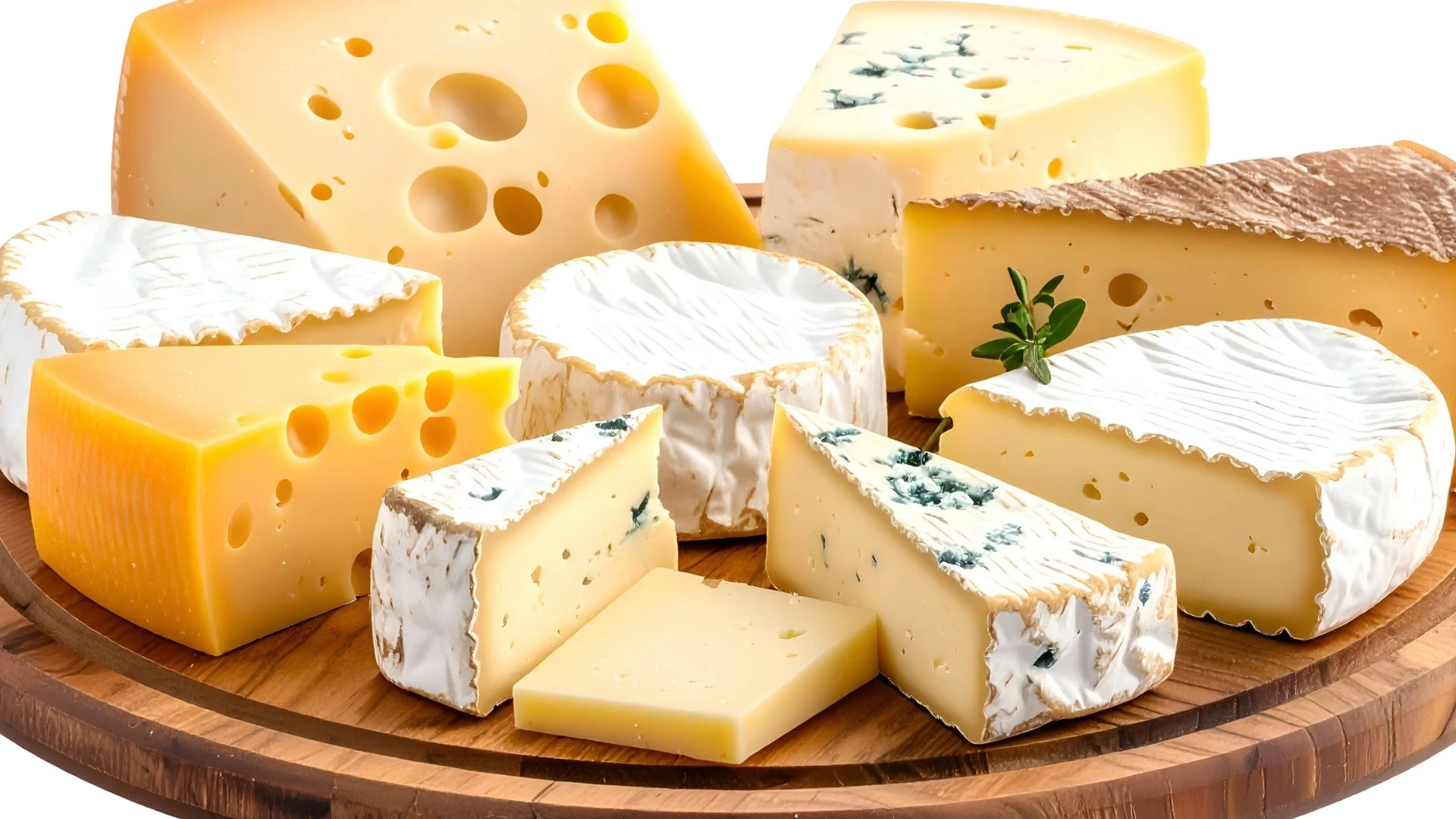
United States Cheese Market Poised for Sustained Growth Through 2034
The United States cheese market is entering a phase of steady expansion, supported by evolving consumer preferences, strong domestic demand, and continuous innovation across the dairy industry. According to recent insights from Renub Research, the market is projected to grow from US$ 41.53 billion in 2025 to US$ 56.75 billion by 2034, registering a compound annual growth rate (CAGR) of 3.53% from 2026 to 2034.
This growth reflects not only the enduring popularity of cheese in American diets but also the sector’s ability to adapt to modern consumption patterns, including convenience foods, premium offerings, and health-conscious alternatives.
Industry Overview: A Mature Yet Evolving Dairy Segment
The United States cheese industry stands among the largest globally, underpinned by a robust dairy ecosystem and advanced production capabilities. Major production hubs such as Wisconsin, California, New York, and Idaho continue to dominate output, ensuring consistent supply to meet both domestic and international demand.
Cheese remains a staple in American households, widely used across multiple cuisines and meal formats. From pizzas and burgers to snacks and gourmet dishes, its versatility ensures continued relevance. Traditional varieties like cheddar, mozzarella, American, and Swiss still account for a significant share of consumption, while specialty cheeses are carving out a rapidly growing niche.
The market is segmented into three primary categories:
- Natural Cheese: Includes cheddar, mozzarella, and similar varieties, widely used in households and foodservice.
- Processed Cheese: Popular in fast food, packaged snacks, and ready-to-eat meals.
- Specialty Cheese: Encompasses artisanal, organic, and premium products such as goat cheese and blue cheese.
While natural cheese dominates in volume, specialty cheese is emerging as a high-growth segment driven by premiumization trends.
Key Growth Drivers Shaping the Market
Rising Consumption and Changing Food Habits
One of the most significant factors driving the U.S. cheese market is the steady increase in domestic consumption. Cheese has become deeply integrated into American dietary habits, with widespread usage across breakfast, lunch, dinner, and snacking occasions.
The growing popularity of fast food and ready-to-eat meals has further amplified demand. Cheese is a core ingredient in many quick-service restaurant offerings, including pizzas, sandwiches, and burgers. Additionally, the rise of home cooking—particularly after pandemic-driven lifestyle changes—has reinforced cheese consumption at the household level.
Younger consumers, especially millennials and Gen Z, are experimenting with diverse cuisines, leading to increased demand for international and specialty cheese varieties. Cheese is also being incorporated into innovative formats such as:
- Protein-rich snacks
- Meal kits
- Dairy-based spreads
This diversification is expanding the market beyond traditional consumption patterns.
Expansion of Specialty and Artisanal Cheese
Premiumization is reshaping the U.S. cheese landscape. Consumers are increasingly seeking unique flavors, organic ingredients, and artisanal craftsmanship. This shift has fueled the growth of specialty cheese segments.
Artisanal cheeses, often produced using traditional methods and high-quality ingredients, are gaining traction among urban and high-income consumers. These products offer authenticity, distinctive taste profiles, and perceived health benefits.
Specialty varieties such as:
- Goat cheese
- Brie
- Blue cheese
- Lactose-free options
are witnessing rising demand. Retailers and foodservice providers are actively promoting these products through in-store sampling, curated pairings, and premium shelf placement.
The expansion of farmers’ markets and online specialty food platforms has further improved accessibility, enabling smaller producers to reach broader audiences.
Technological Advancements and Supply Chain Efficiency
Technological innovation is playing a crucial role in driving efficiency and scalability within the cheese industry. Advances in dairy processing and packaging have enabled manufacturers to:
- Extend shelf life
- Maintain product quality
- Reduce operational costs
Automation in production facilities is improving output while ensuring consistency. Meanwhile, advancements in cold chain logistics are helping preserve freshness during transportation and storage.
Packaging innovations, including vacuum-sealed packs and resealable pouches, are enhancing convenience for consumers while minimizing food waste. Additionally, digital supply chain solutions are optimizing inventory management and demand forecasting.
These developments collectively strengthen the industry’s ability to meet growing demand while maintaining competitive pricing.
Market Challenges: Navigating Industry Pressures
Volatility in Milk Prices and Input Costs
Despite strong growth prospects, the U.S. cheese market faces challenges related to fluctuating raw material costs. Milk, the primary input in cheese production, is subject to price volatility influenced by factors such as:
- Seasonal supply changes
- Feed costs
- Weather conditions
- Government policies
Rising milk prices can significantly impact production costs, forcing manufacturers to either absorb losses or pass on costs to consumers. Additional pressures from increased energy, labor, and packaging costs further complicate profitability.
Smaller producers, particularly artisanal cheese makers, are more vulnerable to these fluctuations due to limited financial buffers.
Health Concerns and Dietary Shifts
Growing health awareness among consumers is another challenge for the cheese industry. Concerns about high fat, sodium, and cholesterol content are prompting some individuals to reduce cheese consumption.
At the same time, the rise of plant-based diets and veganism is increasing competition from non-dairy cheese alternatives made from nuts, soy, and other ingredients.
Consumers are also demanding:
- Clean-label products
- Organic and hormone-free ingredients
- Ethical sourcing practices
To remain competitive, manufacturers are investing in product innovation, including reduced-fat, lactose-free, and high-protein cheese options. However, balancing health benefits with taste and texture remains a key challenge.
Recent Developments Driving Market Innovation
The U.S. cheese market continues to evolve through product innovation and strategic collaborations. Several notable developments in 2025 highlight the industry’s dynamic nature:
- A leading dairy brand introduced spicy cheese variants, including Mexican blend and smoked cheddar, targeting consumers seeking bold flavors.
- A specialty cheese producer launched goat cheese-based dips and Mediterranean-style spreads, reflecting growing interest in global cuisines.
- Another major company introduced snackable cheese products and clean-label offerings made with minimal ingredients, aligning with health-conscious trends.
These innovations demonstrate how companies are responding to changing consumer preferences while expanding their product portfolios.
Market Segmentation Insights
The U.S. cheese market is broadly segmented across multiple dimensions:
By Type
- Animal-Based
- Plant-Based
By Product
- Mozzarella
- Cheddar
- Parmesan
- Ricotta
- Cream Cheese
- Others
By Distribution Channel
- Hypermarkets/Supermarkets
- Convenience Stores
- Online Retail
- Others
Among these, supermarkets remain the dominant distribution channel, though online sales are gaining momentum due to increasing digital adoption.
Regional Landscape: Key States Driving Growth
Several states play a pivotal role in shaping the U.S. cheese market. California and Wisconsin lead production, while states like Texas, New York, and Florida contribute significantly to consumption.
Other important markets include:
- Illinois
- Pennsylvania
- Ohio
- Georgia
- New Jersey
- Washington
These regions benefit from strong retail networks, high population density, and robust foodservice industries.
Competitive Landscape and Key Players
The U.S. cheese market is highly competitive, with both multinational corporations and regional producers vying for market share. Key companies are focusing on innovation, branding, and distribution expansion to maintain their competitive edge.
Major players include:
- Land O’ Lakes
- Saputo Inc.
- Arla Foods amba
- The Kraft Heinz Company
- Royal FrieslandCampina N.V.
- Glanbia Plc
- Savencia Fromage & Dairy
These companies are leveraging strategies such as mergers, product launches, and sustainability initiatives to strengthen their market positions.
Future Outlook: Opportunities Ahead
Looking ahead, the U.S. cheese market is expected to maintain steady growth through 2034. Several factors will shape its future trajectory:
- Continued demand for convenience foods
- Expansion of premium and specialty segments
- Increasing focus on health-oriented products
- Growth of e-commerce and digital retail channels
Sustainability will also become a critical focus area, with companies investing in environmentally friendly practices and ethical sourcing.
The rise of plant-based alternatives presents both a challenge and an opportunity, encouraging traditional dairy producers to diversify their offerings.
Final Thoughts
The United States cheese market is a compelling example of a mature industry that continues to evolve in response to changing consumer dynamics. While traditional cheese varieties remain dominant, the growing popularity of specialty, artisanal, and health-focused products is reshaping the competitive landscape.
Backed by strong domestic consumption, technological advancements, and innovative product development, the market is well-positioned for sustained growth. However, challenges such as cost volatility and shifting dietary preferences will require strategic adaptation.
Overall, the industry’s resilience, combined with its ability to innovate, ensures that cheese will remain a staple in American diets for years to come—albeit in increasingly diverse and sophisticated forms.