United States Electric Vehicle Market Set for Rapid Expansion Through 2034
The United States electric vehicle (EV) market is entering a phase of accelerated growth, driven by strong government support, technological innovation, and rising consumer demand for sustainable transportation. According to Renub Research, the market is projected to grow from US$ 224.72 billion in 2025 to US$ 585.65 billion by 2034, registering a compound annual growth rate (CAGR) of 11.23% from 2026 to 2034.
Download Free Sample Report:https://www.renub.com/request-sample-page.php?gturl=united-states-electric-vehicles-market-p.php
This significant expansion reflects a broader shift in the U.S. automotive industry toward electrification, as policymakers, manufacturers, and consumers align around environmental sustainability and long-term cost efficiency.
Electric Vehicles Redefining Modern Transportation
Electric vehicles are transforming how Americans commute, travel, and think about energy consumption. Unlike conventional vehicles powered by internal combustion engines, EVs operate using electric motors fueled by rechargeable batteries.
The market primarily includes two major categories: battery electric vehicles (BEVs), which run entirely on electricity, and plug-in hybrid electric vehicles (PHEVs), which combine electric propulsion with traditional fuel engines.
EVs offer several advantages, including zero or minimal tailpipe emissions, reduced noise pollution, and lower operating and maintenance costs. These benefits are increasingly resonating with environmentally conscious consumers and businesses seeking sustainable mobility solutions.
Growing awareness about climate change, coupled with rising fuel prices, is further accelerating the shift toward electric mobility across the United States.
Government Policies Driving Market Momentum
Government incentives and regulatory frameworks are playing a central role in boosting EV adoption across the United States. Federal tax credits, state-level rebates, and grants have significantly reduced the cost barrier for consumers.
In addition to financial incentives, non-monetary benefits such as access to high-occupancy vehicle (HOV) lanes and reduced registration fees have made EV ownership more attractive.
Stringent emission regulations and fuel economy standards are also pushing automakers to expand their electric vehicle portfolios. Several states have announced plans to phase out gasoline-powered vehicles in the coming decades, further reinforcing the transition toward electrification.
Federal initiatives supporting charging infrastructure development—particularly through transportation and clean energy programs—are ensuring that EV adoption is supported by a robust ecosystem.
Charging Infrastructure Expansion Reduces Range Anxiety
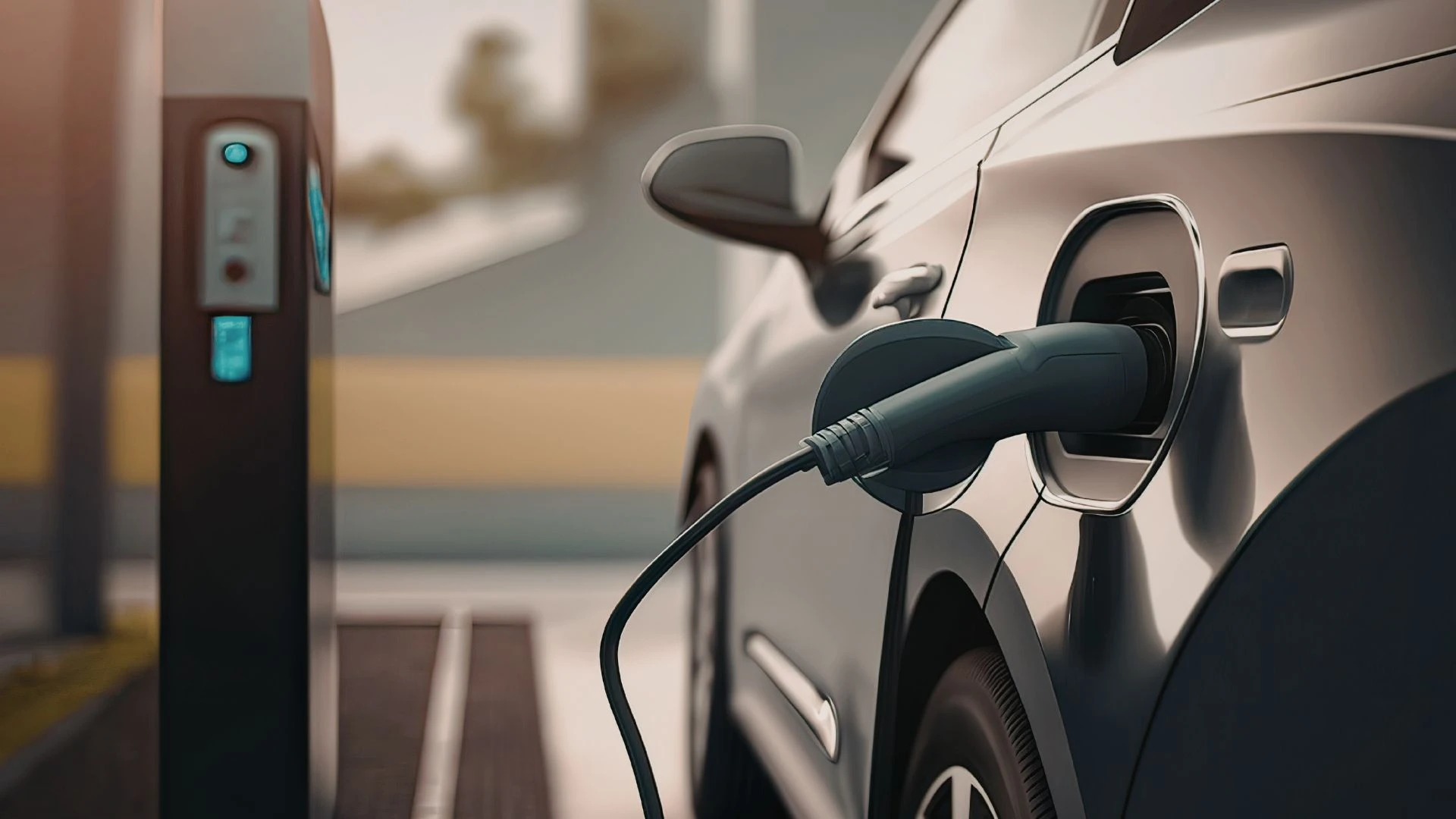
One of the key enablers of EV market growth is the rapid expansion of charging infrastructure across the country. The availability of reliable and accessible charging stations is critical to building consumer confidence.
The number of public EV charging ports in the United States has grown dramatically—from approximately 30,000 in 2016 to nearly 196,000 by January 2025—highlighting the pace of infrastructure development.
Charging networks are expanding across highways, urban centers, workplaces, and residential communities, making EV usage more convenient for daily commutes and long-distance travel.
The development of fast-charging technologies is also reducing charging times, further addressing concerns related to range anxiety and making EVs more practical for mainstream consumers.
Technological Advancements Powering Adoption
Technological innovation is a major driver of growth in the U.S. EV market. Advances in battery technology have significantly improved vehicle range, reduced charging times, and lowered overall costs.
Automakers are introducing a wide range of EV models across different segments, including sedans, SUVs, pickup trucks, and commercial vehicles. These offerings cater to diverse consumer preferences and price points, expanding the market’s reach.
Enhanced software capabilities, connectivity features, and the integration of advanced driver-assistance systems are also making EVs more appealing.
For instance, Ford Motor Company has introduced more affordable electric pickup trucks, reflecting a broader industry effort to make EVs accessible to a wider audience.
Additionally, domestic manufacturing of batteries and EV components is strengthening supply chains and reducing reliance on imports, supporting long-term industry growth.
Key Challenges Impacting Market Growth
Despite strong growth prospects, the U.S. EV market faces several challenges that could influence its trajectory.
High Upfront Costs
Although EV operating costs are lower over time, the initial purchase price remains higher than traditional gasoline vehicles. This price gap can deter budget-conscious consumers, especially those without access to incentives.
Limited availability of used EVs and concerns about battery lifespan also affect purchasing decisions, particularly among first-time buyers.
Supply Chain and Resource Constraints
The EV industry relies heavily on critical materials such as lithium, cobalt, and nickel, which are subject to geopolitical risks and price volatility. Developing domestic mining and processing capabilities will take time and investment.
Grid Readiness
As EV adoption increases, the demand for electricity will place additional pressure on the power grid. Ensuring grid reliability and integrating renewable energy sources will be essential to support sustainable growth.
Segment Analysis: BEVs Leading the Market
Battery Electric Vehicles (BEVs)
BEVs are emerging as the dominant segment within the U.S. EV market due to their zero-emission capability and lower maintenance requirements. Increasing environmental awareness and government incentives are driving their adoption.
Automakers are investing heavily in BEV platforms, introducing models with improved range and performance to meet consumer expectations.
151–300 Mile Range Segment
Vehicles offering a driving range between 151 and 300 miles are particularly popular among consumers. This segment strikes a balance between affordability, usability, and performance.
These vehicles are well-suited for daily commuting and medium-distance travel, making them a practical choice for a broad customer base.
Electric Two-Wheelers
The electric two-wheeler market is gaining traction as consumers seek cost-effective and efficient mobility solutions. These vehicles are increasingly used for short-distance commuting, last-mile delivery, and recreational purposes.
Mid-Priced EV Segment
Mid-priced electric vehicles are critical for mass adoption. Targeting middle-income consumers, these vehicles offer competitive features, range, and performance at relatively affordable prices.
The expansion of this segment is expected to play a key role in driving widespread EV adoption in the coming years.
Regional Insights: State-Level Leadership Driving Growth
California
California remains the largest and most advanced EV market in the United States. Strong climate policies, zero-emission mandates, and extensive charging infrastructure have positioned the state as a leader in EV adoption.
The presence of major EV manufacturers and technology companies further strengthens California’s dominance.
New York
New York is experiencing steady growth, supported by policies focused on emissions reduction and clean transportation. High population density and urban commuting patterns make EVs an attractive option.
Washington
Washington State benefits from abundant renewable energy resources and environmentally conscious consumers. Cities like Seattle are leading in EV adoption due to strong infrastructure and policy support.
Arizona
Arizona’s growing population and investment in charging infrastructure are driving EV adoption. The state’s solar energy potential also supports sustainable EV usage, despite challenges related to high temperatures.
Competitive Landscape and Key Players
The U.S. EV market is highly competitive, with both established automakers and new entrants vying for market share.
Key players include:
- Tesla
- BMW Group
- BYD Company Ltd.
- Mercedes-Benz Group AG
- Ford Motor Company
- General Motors Company
- Nissan Motor Co. Ltd.
- Toyota Motor Corporation
These companies are focusing on innovation, partnerships, and expanding their EV portfolios to capture a larger share of the growing market.
Future Outlook: Electrification Becoming the New Normal
The future of the U.S. electric vehicle market is closely tied to advancements in technology, supportive policies, and evolving consumer preferences.
As battery costs continue to decline and charging infrastructure becomes more widespread, EVs are expected to become increasingly accessible to the average consumer.
The integration of renewable energy, smart grids, and connected vehicle technologies will further enhance the sustainability and efficiency of electric mobility.
Final Thoughts
The United States electric vehicle market is poised for substantial growth, with projections indicating it will surpass $585 billion by 2034. Strong government support, technological advancements, and growing environmental awareness are driving this transformation.
While challenges such as high upfront costs and supply chain constraints remain, the overall outlook is highly optimistic. The shift toward electrification is no longer a niche trend—it is becoming the foundation of the future automotive industry.
As innovation continues and infrastructure expands, electric vehicles are set to redefine transportation in the United States, offering a cleaner, more efficient, and sustainable mobility ecosystem.