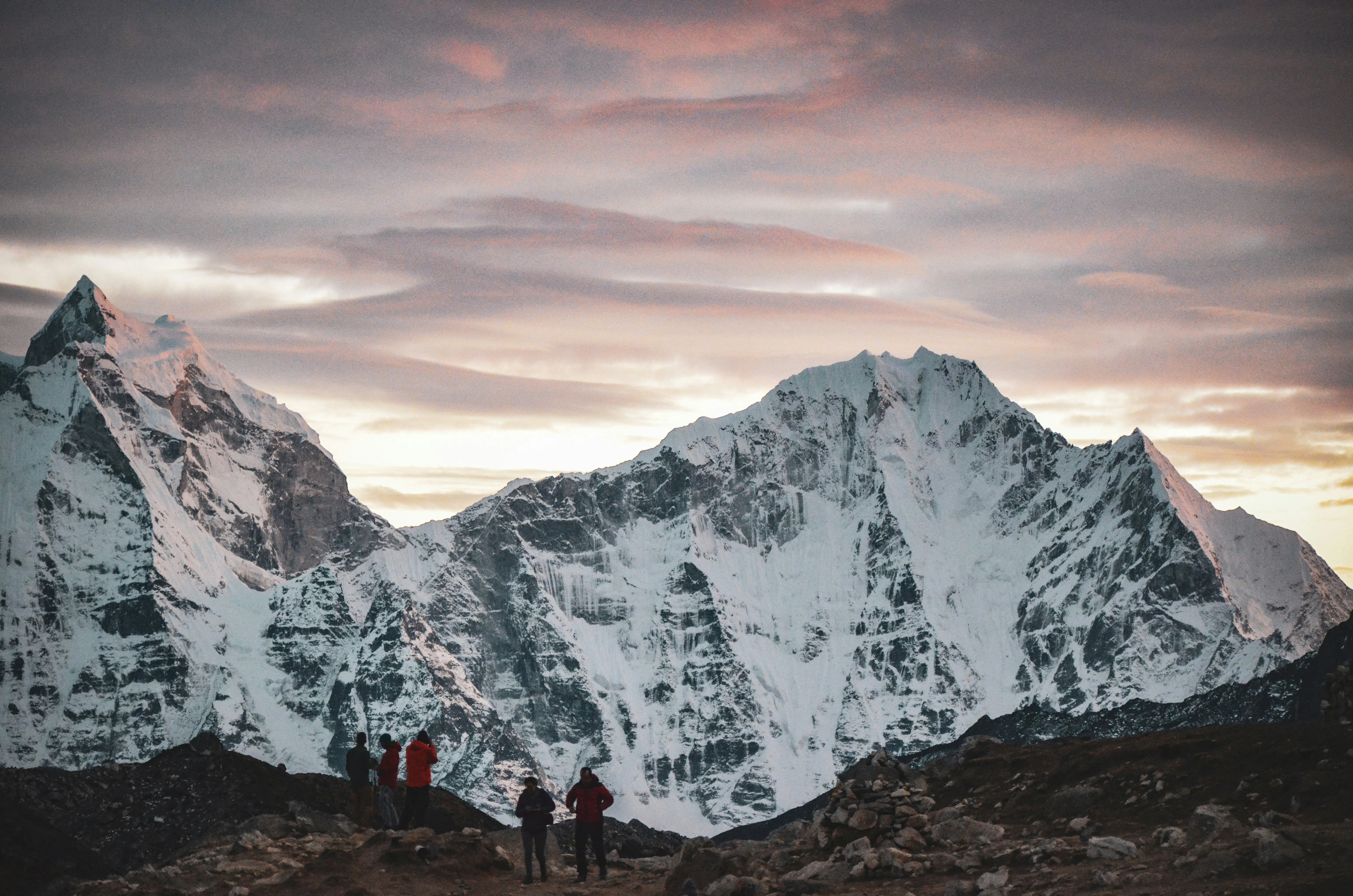
A cold wind moves through the Everest region, and the mountains rise like giant walls of ice and rock. In this wild setting, Lobuche Peak stands as one of the most exciting climbing goals in Nepal. The climb is not only about reaching the top but also about facing ice, ropes, and high-altitude challenges that test both body and mind. With Adventure White Himalaya guiding the journey, the experience becomes safer, well-planned, and full of confidence from the very first step.
This climb feels different from normal trekking. It is sharper, colder, and more technical. Every step higher brings stronger winds and thinner air. Yet, the view becomes more powerful with every meter gained. The journey is a true mix of fear, excitement, and pure Himalayan beauty.
The Call of Lobuche Peak
Lobuche Peak is located in the Everest region and is one of the popular trekking peaks in Nepal. It attracts climbers who want to move beyond trekking and try real mountaineering. The mountain has two main parts: Lobuche East (6,119m) and Lobuche West, with East being the common climbing route.
The peak rises close to Everest Base Camp trail, making it part of one of the most famous mountain regions in the world. Snow slopes, rocky ridges, and glacier paths make it both beautiful and challenging. Many climbers see it as a step toward bigger Himalayan peaks.
Why This Climb Feels Extreme
The word “extreme” is not used lightly for Lobuche Peak. The climb includes steep ice walls, fixed rope sections, and glacier walking. Crampons are needed to move on slippery ice. An ice axe helps in balance and safety.
The altitude also makes the climb harder. Above 5,000 meters, the air becomes very thin. Simple walking feels heavy. Every breath takes effort. This is why slow movement and strong mental focus are important during the climb.
Weather changes quickly in this region. A clear sky can turn into strong wind and snow within minutes. This adds more challenge and excitement to the journey.
Climbing Statistics You Should Know
The Lobuche Peak climbing journey combines trekking and mountaineering in one adventure.
- Average Duration: 14–18 days
- Total Distance: Around 130–150 kilometers (round trip)
- Maximum Elevation: 6,119 meters (Lobuche East Summit)
- Difficulty Level: Challenging to Extreme
- Climbing Style: Glacier travel, rope climbing, and mixed terrain
- Best Seasons: Spring (March–May) and Autumn (September–November)
These numbers show that the climb is not a simple trek but a full high-altitude adventure.
Journey Through the Everest Region
The adventure usually starts with a flight to Lukla, followed by a walk through famous Sherpa villages. Places like Namche Bazaar, Tengboche, Dingboche, and Lobuche appear along the route. Each village offers rest, food, and a chance to adjust to altitude.
The trail passes through forests, suspension bridges, and open valleys. As the journey continues, trees disappear and snow becomes more common. The air gets colder, and the landscape becomes more raw and powerful.
Reaching Lobuche village feels like stepping closer to another world. The mountains look bigger, and the silence becomes deeper.
Ice, Ropes, and Technical Challenge
The real climbing begins after reaching the base camp area. Here, ice replaces walking trails. Fixed ropes are used to climb steep sections. Climbers must use harnesses, helmets, crampons, and ice axes.
Glacier crossings are slow and careful. Every step must be planned. One mistake can lead to slipping, so attention is very important. Guides from Adventure White Himalaya help fix ropes and lead safe movement across dangerous sections.
This part of the climb feels like a true mountaineering experience, not just trekking.
Training and Acclimatization
Before the summit push, acclimatization is very important. The body needs time to adjust to thin air. Rest days are added in places like Namche and Dingboche.
Simple walking, hydration, and slow movement help the body adapt. Many climbers also do small hikes to higher points and return to sleep lower. This “climb high, sleep low” method helps reduce altitude sickness.
Basic training before the expedition, like walking practice and stamina building, also helps a lot.
Summit Push Experience
The summit push usually starts early in the morning, often before sunrise. The cold is strong, and the wind can be sharp. Headlamps light the way on icy slopes.
As the climb gets higher, every step becomes slower. Breathing becomes heavy, but the goal stays clear. The final ridge to the summit feels narrow and powerful.
Standing on the top of Lobuche Peak gives a wide view of the Everest region. Peaks like Everest, Nuptse, Lhotse, and Ama Dablam appear in the distance. The feeling of achievement is strong and unforgettable.
Culture and Mountain Life
Even though Lobuche Peak is a technical climb, the journey is also rich in culture. Sherpa villages along the route show simple mountain life. Prayer flags, monasteries, and stone walls reflect deep Buddhist traditions.
Local people are warm and helpful. Their strength and calm nature inspire many climbers. Life in the mountains is simple, but full of meaning and connection to nature.
Safety and Support with Adventure White Himalaya
Climbing a peak like Lobuche requires strong support and planning. Adventure White Himalaya provides full assistance from start to finish. Services include permit handling, experienced climbing guides, safety equipment support, itinerary planning, and emergency backup.
The team ensures proper acclimatization, safe rope fixing, and guided movement on ice and rock. This support helps climbers focus on the experience instead of worry. Safety always remains the top priority during the entire expedition.
Final Reflection on the Climb
Lobuche Peak is more than just a mountain. It is a test of strength, patience, and courage. The mix of ice, ropes, and high altitude creates a true Himalayan adventure that stays in memory for life. Every step teaches something new, from patience on steep slopes to confidence at the summit.
Adventure White Himalaya plays a key role in making this journey possible in a safe and structured way. With expert guidance, strong planning, and caring support, the Lobuche Peak climbing experience becomes not only successful but also deeply rewarding. The mountain may be extreme, but the memory it creates is even greater.