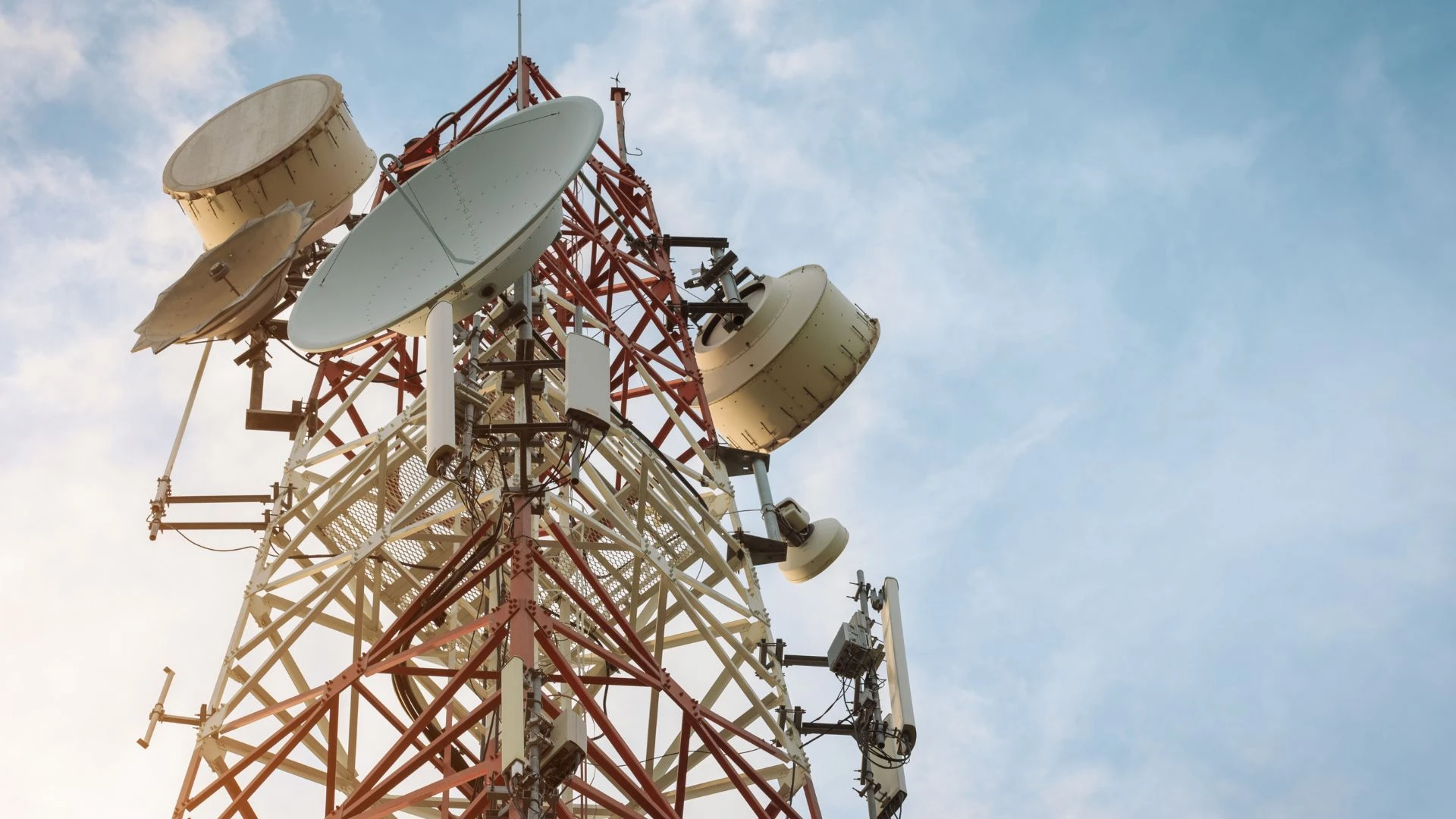
Introduction: A Market Entering Its Next Digital Phase
The Japan’s telecommunications sector is undergoing a significant transformation, fueled by next-generation technologies, evolving consumer behavior, and strong government backing. Long recognized as one of the most advanced telecom markets globally, Japan is now entering a new phase where 5G deployment, data consumption, and digital infrastructure investments are redefining industry dynamics.
Download Free Sample Report: https://www.renub.com/request-sample-page.php?gturl=japan-telecom-market-p.php
According to recent insights from Renub Research, Japan’s telecom market is projected to grow from US$ 116.84 billion in 2024 to US$ 181.72 billion by 2033, registering a compound annual growth rate (CAGR) of 5.03% during 2025–2033.
This steady growth reflects both the maturity of the market and the emergence of new opportunities driven by digitalization across industries.
Market Overview: Telecom as the Backbone of a Digital Society
Telecommunications in Japan extend far beyond traditional voice services. The sector encompasses mobile connectivity, broadband internet, cloud communication, broadcasting, and digital entertainment services.
With one of the highest mobile penetration rates globally, Japan has seamlessly integrated telecom into everyday life. Consumers rely heavily on mobile devices for communication, entertainment, and commerce, while enterprises depend on robust networks for cloud computing, remote work, and data-driven operations.
Additionally, telecom infrastructure plays a critical role in enabling smart cities, supporting public safety systems, and optimizing urban management. The sector is, therefore, not only a commercial industry but also a strategic pillar of Japan’s digital economy.
Key Growth Drivers Accelerating Market Expansion
1. Aggressive 5G Rollout Across the Nation
One of the most significant catalysts for growth is Japan’s rapid deployment of 5G networks. Leading telecom operators are investing heavily in expanding coverage and improving network capabilities.
5G technology offers ultra-fast speeds, reduced latency, and the ability to support massive device connectivity. These features are essential for emerging applications such as:
- Autonomous vehicles
- Smart manufacturing
- Augmented and virtual reality
- Industrial IoT systems
The continued rollout of 5G infrastructure is expected to unlock new revenue streams for telecom operators while enhancing user experiences through faster streaming, gaming, and cloud services.
Moreover, ongoing innovations and partnerships are accelerating deployment timelines, ensuring that Japan remains at the forefront of global telecom advancements.
2. Rising Demand for High-Speed Data Services
Japan’s highly digital society is witnessing an unprecedented surge in data consumption. Consumers increasingly rely on high-speed internet for:
- Video streaming (including 4K and 8K content)
- E-commerce and digital payments
- Social media engagement
- Online gaming
At the same time, businesses are rapidly adopting technologies such as artificial intelligence, cloud computing, and IoT, all of which require reliable and high-capacity networks.
The pandemic further accelerated this trend by normalizing remote work and digital collaboration tools. As a result, both mobile and fixed broadband usage have surged, prompting telecom providers to expand network capacity and invest in fiber-optic infrastructure.
3. Government Initiatives and Smart City Development
Government support remains a cornerstone of Japan’s telecom growth. National programs aimed at digital transformation, including the concept of a “super-smart society,” are driving investments in advanced technologies.
Smart city initiatives in major urban centers are particularly impactful. These projects rely heavily on telecom infrastructure to enable:
- Intelligent traffic systems
- Energy-efficient utilities
- Public safety monitoring
- Digital healthcare services
In addition, efforts to expand connectivity in rural areas are helping bridge the digital divide, ensuring inclusive access to high-speed internet across the country.
Such initiatives not only stimulate demand for telecom services but also create new opportunities for innovation and collaboration across sectors.
Challenges Facing the Telecom Industry
1. Intense Market Competition and Pricing Pressure
Despite strong growth prospects, Japan’s telecom market remains highly competitive. Major players continuously compete for market share, often engaging in aggressive pricing strategies.
The entry of low-cost operators has intensified price wars, leading to declining average revenue per user (ARPU). While consumers benefit from affordable plans, telecom companies face shrinking profit margins.
Balancing competitive pricing with the need for continuous investment in infrastructure presents a significant challenge for operators.
2. High Capital Expenditure for Infrastructure
The transition to advanced technologies such as 5G—and eventually 6G—requires substantial financial investment. Telecom companies must allocate significant resources toward:
- Network expansion
- Fiber-optic upgrades
- Small-cell deployment in urban areas
- Research and development
Additionally, Japan’s dense urban environments and geographically diverse regions add complexity to infrastructure deployment.
These high costs can strain financial performance, particularly in a market already impacted by pricing pressures.
Segment Analysis: Shifting Trends in Telecom Services
Wireless Voice: Stable but Declining Growth
The wireless voice segment remains an essential part of the telecom ecosystem, particularly for enterprise users and older demographics. However, growth is slowing as consumers shift toward data-based communication platforms such as messaging apps and video calls.
To remain competitive, operators are bundling voice services with data plans and introducing technologies like Voice over LTE (VoLTE) and 5G voice services to enhance call quality.
Data and Messaging: The Core Growth Engine
Data services have emerged as the primary driver of telecom revenue in Japan. Increasing reliance on digital platforms has led to exponential growth in data traffic.
Telecom providers are focusing on improving network speed, reliability, and capacity to support high-bandwidth applications. This segment is expected to continue dominating the market throughout the forecast period.
OTT and Pay-TV: A Booming Digital Entertainment Sector
The rise of over-the-top (OTT) platforms has transformed Japan’s entertainment landscape. Consumers are increasingly favoring on-demand streaming services over traditional television.
While pay-TV remains relevant for live events and local content, OTT platforms are capturing a larger share of younger audiences. Telecom companies are responding by offering bundled packages that combine connectivity with streaming subscriptions.
This convergence of telecom and media services is creating new revenue opportunities and enhancing customer retention.
Regional Insights: Key Cities Driving Telecom Growth
Tokyo: The Epicenter of Innovation
Tokyo remains the leading hub for telecom development in Japan. With its dense population and concentration of businesses, the city demands cutting-edge connectivity solutions.
It is at the forefront of 5G adoption, smart city initiatives, and enterprise digital transformation, making it a critical driver of overall market growth.
Saitama: Expanding Urban Connectivity
As part of the Greater Tokyo region, Saitama is experiencing rapid growth in telecom demand. Increasing digital adoption among residents and businesses is fueling data consumption.
The region benefits from its proximity to Tokyo, making it an important extension of urban connectivity.
Fukuoka: Emerging Innovation Hub
Fukuoka is gaining recognition as a startup and innovation center. Investments in smart city projects and digital infrastructure are boosting demand for advanced telecom services.
Its strategic position in southern Japan further enhances its role as a regional growth engine.
Shizuoka: Industrial and Consumer Demand Combined
Shizuoka’s telecom market is driven by both residential users and industrial sectors. The region’s manufacturing base is increasingly adopting IoT and private 5G networks.
This dual demand makes Shizuoka a key contributor to the country’s telecom expansion.
Competitive Landscape: Key Players and Strategic Moves
Japan’s telecom market is dominated by major operators that continue to invest in technology and infrastructure to maintain their competitive edge. These companies are focusing on:
- Expanding 5G coverage
- Enhancing customer experience
- Developing enterprise solutions
- Exploring future technologies such as 6G
Strategic partnerships, mergers, and technological innovations are expected to shape the competitive landscape in the coming years.
Future Outlook: A Market Defined by Innovation
Looking ahead, Japan’s telecom industry is poised for sustained growth, driven by continuous technological advancements and evolving user needs.
Key trends likely to shape the future include:
- Expansion of 5G and early development of 6G
- Increased integration of AI and automation in telecom networks
- Growth of IoT ecosystems across industries
- Rising demand for cybersecurity and data protection solutions
The convergence of telecom with other sectors such as healthcare, transportation, and entertainment will further expand the scope of the industry.
Final Thoughts
Japan’s telecom market stands at a pivotal moment, balancing maturity with innovation. While challenges such as intense competition and high infrastructure costs persist, the sector’s strong fundamentals and forward-looking investments provide a solid foundation for growth.
The projected rise to US$ 181.72 billion by 2033 underscores the industry’s resilience and its critical role in shaping Japan’s digital future.
As 5G continues to expand and digital transformation accelerates, telecom will remain a cornerstone of economic development, enabling new technologies, enhancing connectivity, and driving the next wave of innovation across the nation.