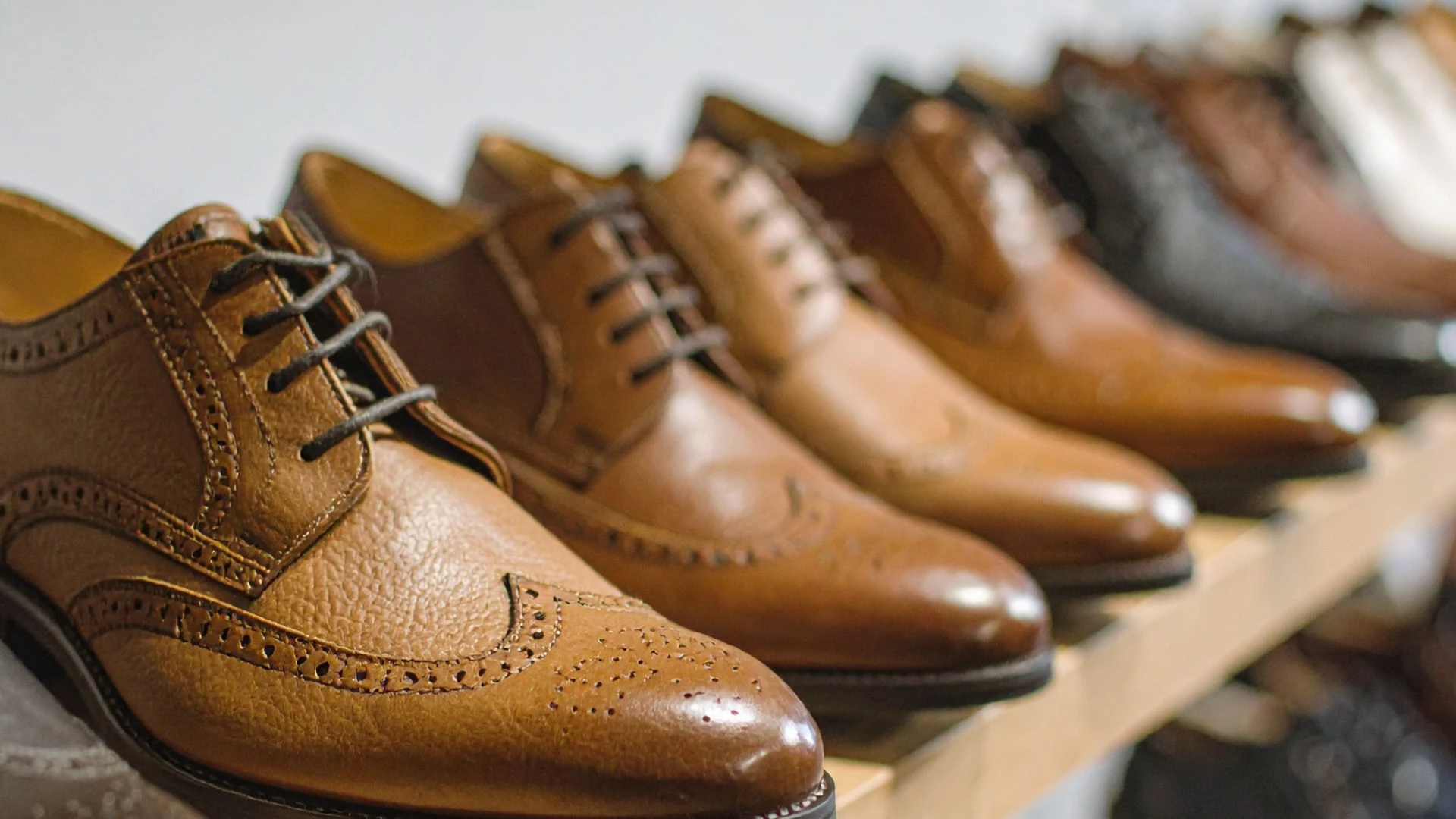
The United States footwear market is entering a new phase of steady, innovation-led expansion, driven by evolving consumer preferences, digital transformation, and sustainability priorities. According to Renub Research, the market is projected to grow from US$ 105.54 billion in 2024 to US$ 139.03 billion by 2033, registering a compound annual growth rate (CAGR) of 3.11% during the forecast period from 2025 to 2033.
Download Free Sample Report:https://www.renub.com/request-sample-page.php?gturl=united-states-footwear-market-p.php
This growth trajectory reflects a broader shift in how consumers view footwear—not merely as a functional product, but as a lifestyle statement shaped by comfort, performance, and ethical considerations. As the market evolves, companies are leveraging innovation, omnichannel retailing, and brand collaborations to remain competitive in an increasingly crowded landscape.
Market Overview: A Dynamic and Consumer-Driven Industry
The U.S. footwear industry remains highly dynamic, shaped by changing fashion cycles, technological advancements, and rising disposable incomes. The market spans multiple segments, including athletic, casual, formal, and specialty footwear, each responding to distinct consumer needs and trends.
One of the most notable developments is the surge in demand for athletic and performance-oriented footwear. This trend is closely tied to growing health consciousness and increased participation in sports and fitness activities. At the same time, casual and lifestyle footwear has gained significant traction as consumers prioritize comfort and versatility in their daily lives.
Digital transformation has further redefined the industry. The rapid growth of e-commerce platforms has enabled brands to expand their reach while offering personalized shopping experiences. Features such as virtual try-ons, AI-driven recommendations, and seamless return policies are enhancing customer engagement and reshaping purchasing behavior.
Sustainability has also emerged as a central theme. Both established players and emerging brands are adopting eco-friendly materials, ethical sourcing practices, and circular production models to align with consumer expectations. This shift is not only influencing product design but also redefining brand identity and loyalty.
Key Growth Drivers Transforming the Market
Rising Demand for Athleisure and Comfort Footwear
A major driver of market growth is the increasing preference for athleisure and comfortable footwear. Consumers are seeking products that combine style with functionality, leading to a surge in demand for sneakers, slip-ons, and cushioned shoes.
The rise of remote work and hybrid lifestyles has further accelerated this trend. Footwear that offers all-day comfort while maintaining a fashionable appearance has become a staple in modern wardrobes. Manufacturers are responding with innovative designs that incorporate lightweight materials, ergonomic structures, and advanced cushioning technologies.
This shift toward comfort-centric footwear reflects a broader cultural emphasis on wellness and convenience. As consumers continue to prioritize these factors, the athleisure segment is expected to remain a key growth engine for the industry.
Expansion of E-Commerce and Omnichannel Strategies
The expansion of e-commerce has fundamentally transformed how footwear is marketed and sold in the United States. Online platforms provide consumers with access to a vast array of products, detailed descriptions, and user reviews, enabling more informed purchasing decisions.
Leading brands are investing heavily in omnichannel strategies that integrate online and offline experiences. Services such as click-and-collect, free returns, and direct-to-consumer models are enhancing convenience and fostering customer loyalty.
Mobile commerce and social media-driven shopping are also playing a significant role. Influencer marketing and targeted digital campaigns are helping brands connect with younger, tech-savvy audiences. Additionally, data analytics and artificial intelligence are enabling companies to personalize offerings and optimize inventory management.
This digital evolution is not only driving sales but also creating a competitive advantage for brands that can adapt quickly to changing consumer behaviors.
Growing Emphasis on Sustainability and Ethical Practices
Sustainability has transitioned from a niche concern to a mainstream expectation in the U.S. footwear market. Consumers are increasingly drawn to products that reflect their values, prompting brands to adopt eco-conscious practices.
Manufacturers are incorporating recycled materials, biodegradable fabrics, and low-carbon production methods into their operations. Innovations such as plant-based leather and recycled rubber are gaining popularity, offering environmentally friendly alternatives without compromising quality or performance.
Transparency in sourcing and fair labor practices are also becoming critical factors in building consumer trust. Companies are investing in traceable supply chains and certifications to demonstrate their commitment to ethical production.
The rise of circular fashion—encompassing repair, reuse, and recycling initiatives—further underscores the industry’s shift toward sustainability. As this trend continues to gain momentum, brands that prioritize environmental responsibility are likely to strengthen their market position.
Challenges Facing the Industry
Volatility in Raw Material Prices and Supply Chains
Despite its growth potential, the U.S. footwear market faces several challenges, particularly in the areas of raw material pricing and supply chain stability. Materials such as leather, rubber, and synthetic fabrics are subject to price fluctuations influenced by global demand, trade policies, and geopolitical factors.
Supply chain disruptions, including shipping delays and labor shortages, have also impacted production timelines and inventory levels. These challenges are especially pronounced for small and mid-sized companies that rely heavily on international suppliers.
To mitigate these risks, many brands are exploring strategies such as nearshoring, digital supply chain management, and diversified sourcing. However, achieving long-term stability remains a complex and ongoing challenge.
Intense Competition and Counterfeit Products
The U.S. footwear market is highly competitive, with numerous global and local players vying for consumer attention. This saturation makes differentiation increasingly difficult, compelling companies to invest heavily in innovation, branding, and marketing.
The rapid pace of fashion trends adds another layer of complexity, requiring brands to maintain agility in product development and inventory management.
Counterfeit products pose an additional threat, particularly in online marketplaces. Fake footwear not only undermines brand reputation but also erodes consumer trust. To address this issue, companies are adopting advanced authentication technologies, including blockchain and digital tagging, to ensure product authenticity.
Balancing competitive pricing with quality assurance remains a critical challenge for industry players.
Regional Insights: Key States Driving Demand
Regional dynamics play a significant role in shaping the U.S. footwear market, with demand varying across states based on lifestyle, climate, and consumer preferences.
California stands out as a trendsetter, driven by its fashion-forward population and emphasis on sustainability. The state’s urban centers, such as Los Angeles and San Francisco, influence nationwide footwear trends and support innovation in design and retail.
Texas represents a diverse market with strong demand for casual, outdoor, and western-style footwear. Its large population and varied climate contribute to steady growth across multiple segments.
New York, as a global fashion hub, drives demand for premium and designer footwear. The state’s competitive retail environment encourages brands to experiment with exclusive collections and experiential marketing strategies.
Florida’s market is shaped by its warm climate and tourism-driven economy, with high demand for sandals, athletic shoes, and lightweight footwear. The state’s diverse demographics further enhance its role as a key contributor to national sales.
Competitive Landscape and Industry Developments
The competitive landscape of the U.S. footwear market is characterized by the presence of major global brands alongside emerging players. Companies are focusing on innovation, collaborations, and digital engagement to maintain their market share.
Recent developments highlight the industry’s commitment to expansion and diversification. For instance, new product launches and entry into niche segments are becoming common strategies for growth. Brands are also leveraging celebrity partnerships and influencer marketing to enhance visibility and appeal.
Technological advancements in materials and manufacturing processes are enabling companies to create more durable, comfortable, and sustainable products. These innovations are expected to play a crucial role in shaping the future of the market.
Market Segmentation and Consumer Trends
The U.S. footwear market is segmented by product type, material, distribution channel, and end user. Athletic and non-athletic footwear represent the primary categories, each catering to distinct consumer needs.
Leather and non-leather materials continue to dominate the market, with growing interest in sustainable alternatives. Distribution channels are divided between e-commerce and offline retail, with the former experiencing rapid growth due to digital adoption.
End users include men, women, and children, with each segment exhibiting unique preferences and purchasing behaviors. Women’s footwear, in particular, is witnessing increased innovation in design and comfort features, while children’s footwear is benefiting from rising awareness of foot health and development.
Future Outlook: Innovation and Sustainability at the Core
Looking ahead, the U.S. footwear market is expected to maintain steady growth, driven by a combination of innovation, digitalization, and sustainability. Companies that can effectively integrate these elements into their business models will be well-positioned to capitalize on emerging opportunities.
The continued rise of e-commerce, coupled with advancements in technology, will further enhance the customer experience and drive sales. At the same time, sustainability will remain a key differentiator, influencing both consumer choices and regulatory frameworks.
As the market evolves, collaboration between brands, technology providers, and sustainability advocates will play a critical role in shaping the industry’s future.
Final Thoughts
The U.S. footwear market is undergoing a transformative phase, marked by shifting consumer expectations and rapid technological advancements. With Renub Research projecting the market to reach US$ 139.03 billion by 2033, the industry’s growth potential remains strong.
However, success in this evolving landscape will depend on a brand’s ability to innovate, adapt, and align with consumer values. From athleisure trends and digital retail to sustainability and ethical production, the factors shaping the market today will continue to define its trajectory in the years ahead.
For stakeholders across the value chain, the message is clear: staying relevant in the U.S. footwear market will require a balanced approach that combines creativity, resilience, and a deep understanding of consumer needs.