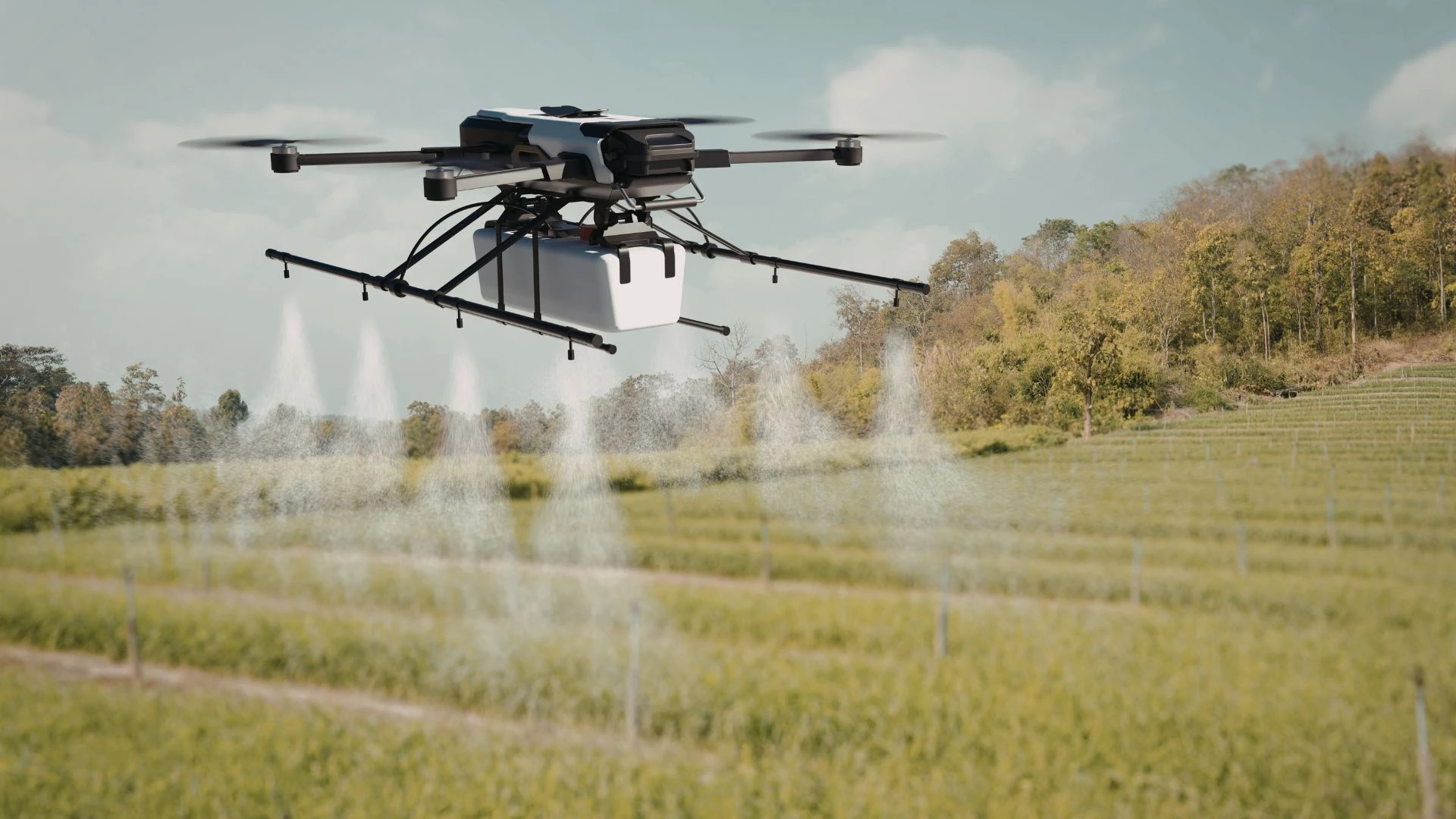
United States Precision Irrigation Market Analysis
The United States precision irrigation market is entering a phase of accelerated expansion as water scarcity, climate variability, and sustainability imperatives reshape modern agriculture. Precision irrigation, once considered an advanced niche solution, is now becoming a mainstream agricultural practice across the country. According to Renub Research, the United States Precision Irrigation Market is projected to grow from US$ 2.15 billion in 2024 to US$ 4.72 billion by 2033, registering a strong compound annual growth rate (CAGR) of 9.11% between 2025 and 2033.
This growth is underpinned by the increasing need for water-efficient agricultural practices, rising adoption of high-value crops, and continuous innovation in irrigation technologies such as sensors, automation, and data-driven farm management. As agriculture remains the largest consumer of freshwater in the U.S., precision irrigation is emerging as a critical solution to ensure productivity, sustainability, and long-term food security.
United States Precision Irrigation Market Overview
Precision irrigation is an advanced farming approach designed to deliver the right amount of water to crops at the right time and place. By using technologies such as soil moisture sensors, GPS mapping, satellite imagery, and data analytics, farmers can closely monitor crop water requirements and irrigation efficiency. This method significantly reduces water wastage, improves yields, and minimizes environmental impact.
In the United States, precision irrigation has gained particular importance due to recurring droughts, groundwater depletion, and increasingly unpredictable weather patterns. States such as California, Texas, Washington, and parts of the Midwest have been at the forefront of adoption, driven by water stress and the cultivation of water-intensive, high-value crops.
Technologies such as drip irrigation and advanced sprinkler systems dominate the market. Drip irrigation delivers water directly to the root zone, minimizing evaporation and runoff, while modern sprinkler systems equipped with variable-rate technology allow uniform and controlled water application over large fields. Beyond water savings, precision irrigation supports sustainable farming by reducing nutrient leaching, lowering energy consumption, and improving soil health. As a result, it plays a vital role in balancing agricultural productivity with environmental stewardship.
Download Free Sample Report:https://www.renub.com/request-sample-page.php?gturl=united-states-precision-irrigation-market-p.php
Market Size and Forecast (Renub Research)
Renub Research estimates that the U.S. precision irrigation market will expand from US$ 2.15 billion in 2024 to US$ 4.72 billion by 2033. The projected CAGR of 9.11% reflects a combination of structural drivers, including regulatory support, technological advancement, and shifting farmer preferences toward resource-efficient practices.
This growth trajectory highlights precision irrigation as one of the fastest-growing segments within the broader agricultural technology market. As water efficiency becomes a strategic priority for farmers and policymakers alike, demand for precision irrigation solutions is expected to remain strong throughout the forecast period.
Growth Drivers of the United States Precision Irrigation Market
Growing Water Shortage and Sustainable Farming Practices
Water scarcity is an increasingly pressing challenge across the United States, particularly in western states such as California, Arizona, and Nevada. Agriculture accounts for the largest share of freshwater use, placing immense pressure on limited water resources. Precision irrigation technologies address this challenge by significantly reducing water wastage and improving application efficiency.
Drip irrigation and precision sprinklers ensure that water reaches crops where it is most needed, reducing losses from evaporation and runoff. Growing awareness of sustainability, stricter water conservation regulations, and frequent drought conditions are encouraging farmers to adopt these technologies. As a result, the push for water-efficient agriculture remains one of the most powerful drivers of precision irrigation market growth.
Government Support and Subsidy Programs
Federal and state governments play a crucial role in accelerating the adoption of precision irrigation through subsidies, incentives, and conservation programs. Initiatives such as the USDA’s Environmental Quality Incentives Program (EQIP) provide financial assistance to farmers transitioning to water-efficient irrigation systems. These programs significantly reduce the upfront cost burden, making advanced technologies more accessible to small and medium-sized farms.
In 2023 alone, the U.S. government reportedly invested close to US$ 2 billion in promoting sustainable agricultural practices through precision agriculture initiatives. Supportive policies focused on climate resilience, water conservation, and sustainable land use continue to create a favorable environment for precision irrigation market expansion.
High-Value Crops and Modern Farming Practices
The expansion of high-value crops such as fruits, vegetables, nuts, and vineyards is another key growth driver. These crops require precise water and nutrient management to ensure consistent quality and high yields. Precision irrigation systems, particularly drip irrigation, are well suited to meet these demands.
Additionally, the growth of greenhouse cultivation, organic farming, and export-oriented agriculture is driving demand for advanced irrigation solutions. Integration with digital farming tools such as IoT-based controllers, soil sensors, and satellite data further enhances efficiency and productivity. The convergence of high-value crop cultivation and smart farming practices is significantly accelerating the adoption of precision irrigation across the U.S.
United States Precision Irrigation Market Challenges
High Initial Investment Costs
Despite clear long-term benefits, the high initial cost of precision irrigation systems remains a major barrier to adoption. Expenses related to equipment, installation, automation, and maintenance can be substantial, particularly for small and medium-sized farms.
While government subsidies and financing options help mitigate these costs, affordability continues to be a concern in regions with volatile crop prices and uncertain farm incomes. Without continued financial support and cost reductions, upfront investment requirements may slow widespread adoption.
Technical Complexity and Skilled Workforce Shortage
Precision irrigation systems require technical expertise for proper design, installation, operation, and maintenance. Farmers must understand soil-water-crop relationships, irrigation scheduling, and system calibration to fully realize the benefits.
In many rural areas, limited access to skilled technicians and extension services constrains adoption. Although training and education programs exist, awareness and technical capacity remain uneven. Without adequate support, farmers may underutilize systems, reducing their effectiveness and return on investment.
United States Precision Irrigation Market by Type
Precision Sprinkler Irrigation
Sprinkler irrigation remains widely used in the U.S., especially for large-scale field crops such as corn, wheat, soybeans, and cereals. Center pivot and lateral move systems are common due to their suitability for mechanized agriculture and large land areas.
Technological advancements such as variable-rate sprinklers enable farmers to adjust water application based on soil conditions and crop needs, improving efficiency. Although sprinklers generally use more water than drip systems, their scalability and compatibility with large farms continue to support market growth.
Drip Precision Irrigation
Drip irrigation is gaining strong momentum, particularly in water-scarce states like California. It is ideal for high-value crops such as fruits, vegetables, orchards, and vineyards. By delivering water directly to plant roots, drip systems minimize evaporation, reduce runoff, and enable precise fertigation.
Farmers adopting drip irrigation benefit from higher yields, improved product quality, and lower input costs. Despite higher installation costs, subsidies and sustainability goals are accelerating adoption, positioning drip irrigation as a cornerstone of the future U.S. agricultural landscape.
Market by Crop Type and Application
Vegetable cultivation is a major growth segment for precision irrigation, as crops such as lettuce, tomatoes, onions, and peppers require precise water management. Orchard crops and vineyards also rely heavily on drip and micro-irrigation systems to maintain quality and productivity.
Greenhouse precision irrigation is another fast-growing application. Controlled environments demand accurate water and nutrient delivery, often supported by automation and sensor-based systems. As urban farming and vertical farming gain popularity, greenhouse irrigation technologies are becoming increasingly sophisticated and mainstream.
State-Level Market Insights
California
California leads the U.S. precision irrigation market due to its massive agricultural output, frequent droughts, and strict water regulations. High-value crops such as almonds, grapes, and vegetables dominate the state’s agriculture, necessitating advanced irrigation systems. Strong state-level incentives and technological innovation make California the most developed precision irrigation market in the country.
New York
New York’s market is driven by diverse agricultural production, including fruits, vegetables, and forage crops. Precision irrigation adoption is growing in vineyards and vegetable farms, particularly in regions such as the Finger Lakes. Urban agriculture and greenhouse farming around metropolitan areas further support market expansion.
Washington
Washington is a key market due to its production of apples, cherries, and specialty crops. Precision irrigation is essential in the state’s semi-arid conditions to maintain fruit quality and yields. Extensive vineyard cultivation also drives strong demand for drip irrigation systems.
Competitive Landscape and Key Players
The U.S. precision irrigation market is competitive, featuring global and regional technology providers. Leading players include Jain Irrigation Systems, Lindsay Corporation, and The Toro Company.
These companies compete on the basis of technology innovation, product reliability, digital integration, and after-sales support. Investments in smart irrigation platforms, data analytics, and sustainable solutions are central to their growth strategies.
Final Thoughts
The United States precision irrigation market is poised for strong and sustained growth through 2033, driven by water scarcity, sustainability goals, and rapid technological innovation. With Renub Research forecasting the market to reach US$ 4.72 billion by 2033, precision irrigation is set to become a foundational pillar of modern U.S. agriculture.
While challenges related to cost and technical complexity remain, continued government support, farmer education, and advancements in smart irrigation technologies are expected to overcome these barriers. As the U.S. agricultural sector adapts to climate change and resource constraints, precision irrigation will play a decisive role in ensuring productivity, profitability, and long-term environmental sustainability.